

Since the EPA’s very beginning, we have been interested in developing environmental physiotherapy in ways that are representative and meaningful to different contexts and regions around the world. To me, this high degree of specificity and the diversity that comes with it seem to be an integral part of a well-thought-through environmental physiotherapy and planetary health alike, for a variety of reasons. Earlier this year, we decided to begin developing new regional pages on the EPA website to advance this regional specificity and to find ways for our over 1,500 members from around the world to engage with environmental physiotherapy in ways that are important to them and their respective contexts.
With this in mind, it seemed only right to conclude the year on an event that would further honour and boost the regional development of environmental physiotherapy. In the creatively experimental fashion that has become somewhat of a trademark of the EPA, we organised The Uprising, an online event featuring 20 regional roundtables hosted by EPA members from around the world. Here, we want to give you a bit of insight into some of the roundtables in case you missed the event.
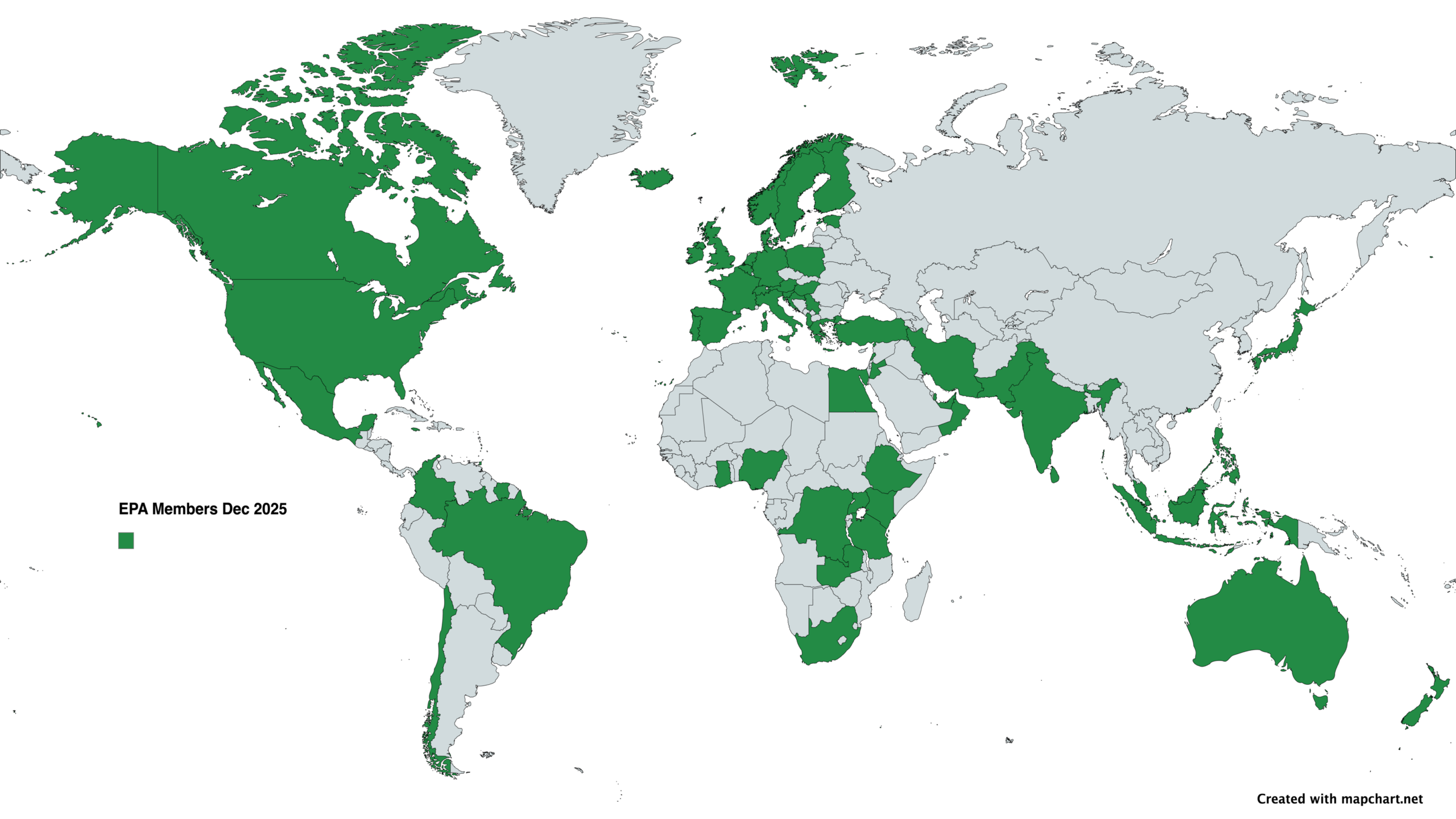
Figure 1: Representation of EPA general membership (>1500) in December 2025
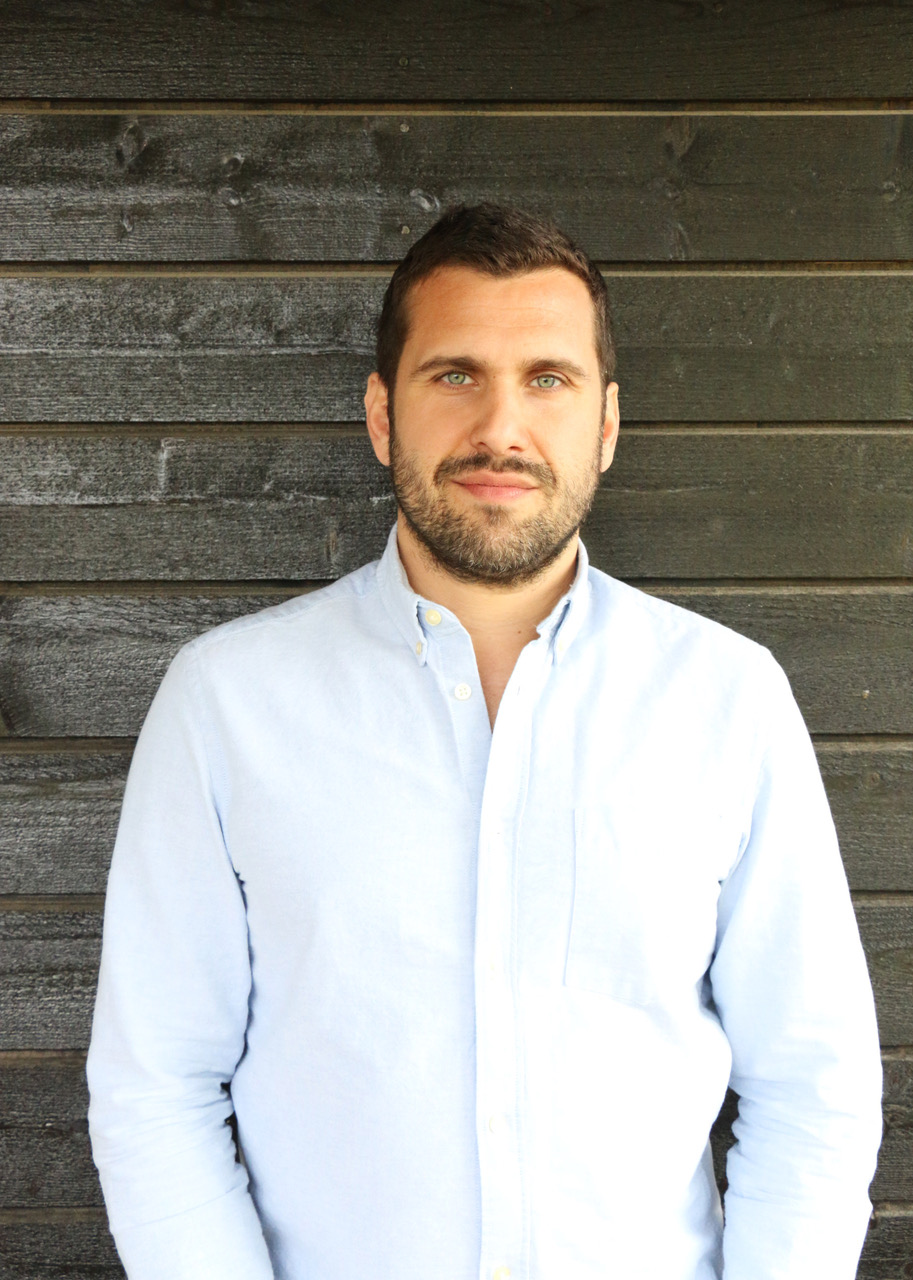
Filip Maric (PT, PhD)
EPA Founder and Executive Chair, Associate Professor, UiT The Arctic University of Norway
Indonesia
Report compiled by Nicolas Setiabudi, Executive Committee Member of the Asia Western Pacific Region of World Physio and the Indonesian Physiotherapy Association
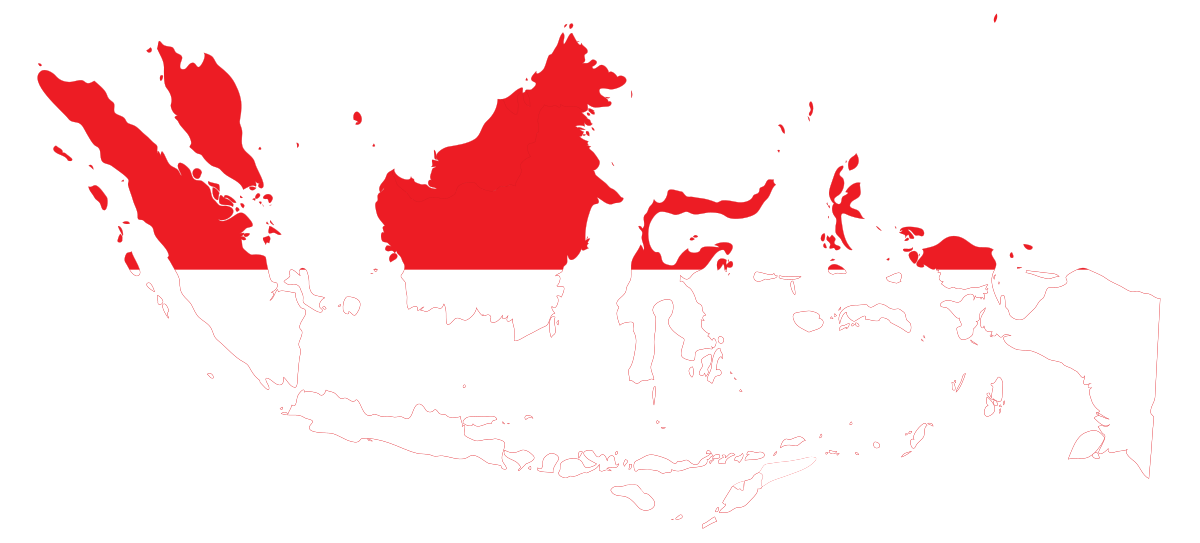
The first Indonesian Environmental Physiotherapy Roundtable brought together twelve participants, including eleven physiotherapists from across Indonesia and one participant from Qatar. The group was enthusiastic to explore how Indonesian physiotherapists can apply and develop the concept of environmental physiotherapy within the national context.
Participants engaged in a wide-ranging dialogue covering several important themes, including:
- The concept and scope of environmental physiotherapy
- Sustainable Development Goals (SDGs) relevant to health and rehabilitation
- How environmental changes affect human health and well-being
- The environmental impact of physiotherapy practice itself
These discussions highlighted both the challenges and opportunities for integrating environmental thinking into physiotherapy education, research, and service delivery in Indonesia. Participants proposed several actionable strategies to advance environmental physiotherapy nationally:
- Integrate environmental physiotherapy topics into university curricula
- Provide training for physiotherapy lecturers to strengthen teaching capacity
- Involve students in environmental physiotherapy research and community projects
- Develop public education campaigns to raise awareness among physiotherapists and the wider community about environmental health and sustainability
Le Monde Francophone
Rapport soumis par Jonathan Stammers, Fanny Poget, Émilie Fortin et Shaun Cleaver.
Lors de la table ronde du 20 Novembre 2025, un groupe de collègues francophones – composé de physiothérapeutes de la Suisse et du Québec ainsi que de kinésithérapeutes de la France – s’est réuni pour échanger autour d’une idée simple : la santé humaine est profondément liée à la santé de notre environnement.

Face à la montée des maladies non-transmissibles et chroniques, à la sédentarité et aux impacts du changement climatique, la profession dispose d’un rôle clé à jouer. Le mouvement ne cherche pas à tout réinventer, mais à élargir notre regard : soigner le corps, oui — mais aussi prendre en compte les milieux où il vit, se déplace et respire. La kinésithérapie/physiothérapie environnementale gagne du terrain !
Voici un résumé des points principaux de la discussion.
Les objectifs au cœur de la kinésithérapie/physiothérapie environnementale
L’ambition est d’abord de sensibiliser les kinésithérapeutes et physiothérapeutes francophones à l’impact environnemental des pratiques de soins. La profession est déjà engagée dans la prévention, la mobilité, la santé respiratoire et la promotion de l’activité physique — autant de points de contact naturels avec les enjeux environnementaux.
Ensuite, il s’agit de créer une communauté francophone structurée, capable de partager ressources, expériences et initiatives locales. Cette dynamique vise aussi à mieux articuler environnement et équité en santé : les populations les plus exposées à la pollution, à l’inactivité forcée ou à des environnements dégradés sont souvent celles qui ont le moins accès aux soins.
Enfin, le mouvement encourage une évolution du rôle du kiné/physio, en l’inscrivant davantage dans la prévention, la promotion de la santé et l’action communautaire.
Les principales barrières identifiées
Plusieurs obstacles freinent encore cette transition au sein de la profession. Sur le plan institutionnel, la culture biomédicale reste largement centrée sur le traitement individuel, laissant peu de place à des approches globales. La formation initiale aborde rarement les liens entre environnement naturel et santé, et il existe peu de ressources en français pour guider les professionnels.
Sur le terrain, les contraintes d’organisation, l’usage de consommables jetables ou les déplacements répétitifs des patients peuvent donner l’impression que l’écologie est difficile à intégrer. À cela s’ajoute un frein psychologique : la crainte de politiser le sujet ou de sortir de son champ professionnel.
Des leviers concrets et accessibles
La bonne nouvelle : la profession dispose déjà de nombreux atouts. Les kinés et physios sont proches des communautés, crédibles scientifiquement et experts du mouvement. Ils peuvent agir rapidement en promouvant la mobilité active (marche, vélo), en optimisant les déplacements grâce au télésoin adapté, en réduisant certains consommables lorsque c’est possible et en intégrant des questions environnementales dans leurs plans de réadaptation.
Les collaborations interprofessionnelles — avec la santé publique, l’urbanisme, le milieu associatif — offrent aussi de nouvelles opportunités. Le contexte sociétal joue en faveur du mouvement : le public est de plus en plus sensibilisé à l’impact environnemental sur la santé.
Les prochaines étapes
Pour donner de l’élan à ce mouvement francophone, plusieurs pistes ont été proposées :
- Définir clairement la kinésithérapie/physiothérapie environnementale, avec un vocabulaire partagé.
- Créer des ressources accessibles : fiches pratiques, études de cas, webinaires, partages d’initiatives et projets locaux/régionaux/nationaux.
- Structurer une communauté en ligne, ouverte aux étudiants comme aux cliniciens.
- Intégrer ces enjeux dans la formation initiale et continue.
- Documenter les impacts des actions, tant sur la santé que sur l’empreinte écologique.
- Engager un dialogue avec les institutions professionnelles.
Cette rencontre du 20 Novembre 2025 marque un point de départ. La kinésithérapie/physiothérapie environnementale n’est pas une mode — c’est une évolution nécessaire, pragmatique, et profondément tournée vers l’avenir de la santé.
UK
Report compiled by Jen McNesfield, PT, founding member of Physiotherapy Declares and co-convenor of the CSP Environmental Physiotherapy Network.
The UK roundtable represented the breadth of our profession in the UK, with attendees coming from England, Wales and Scotland, and spanning the four pillars of practice: education, research, leadership and clinical roles. Our discussion ranged from how knowledgeable people felt currently about environmental physiotherapy, what activities people were currently undertaking in both their work and personal lives, what barriers they faced to furthering the agenda locally and what resources would be useful to help progress action.
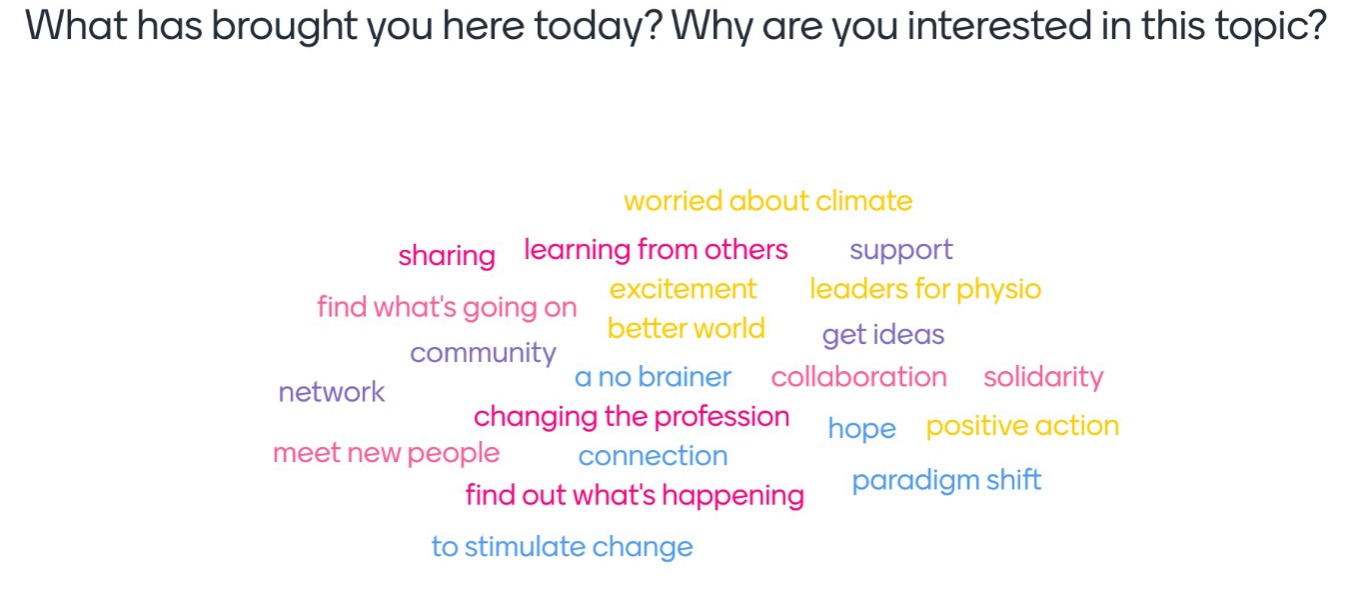
Interestingly, most attendees felt they knew a little about the topic, but none stated that they felt an expert on the topic. Motivation to attend ranged from wanting to meet like-minded people and to learn more about what was going on in the region, all the way to changing the profession and creating a better world for future generations.
People shared examples of success stories that they had experienced in their own areas of practice, such as an educator who had set up a sustainability placement for a student and a clinician who has been delivering carbon literacy training to physiotherapy teams. Frustrations and barriers faced were also shared, including difficulty challenging the status quo and a lack of understanding from colleagues about the connections between planetary health and human health. Attendees shared suggestions for how to overcome these barriers and spoke of what would support them to continue to build on what they already do such as shared resources and guides to best practice.
In general, there was real excitement about the future of environmental physiotherapy in the UK and the potential to work together as a community to continue to progress this agenda. People spoke about feeling validated and reassured from finding other physiotherapy professionals who felt similarly to them, something which they had not found locally in their workplaces, and they expressed a desire to continue building this supportive community.
It is an exciting time in the UK as a new CSP Environmental Physiotherapy Network has just launched. The aim of this network is to explore what this agenda means in the UK and to provide a space for information sharing and collaborating. This network is open to all CSP members and if you are interested in joining then head over to the network webpage and follow the steps to sign up. You can also get in touch epnetwork@csp.org.uk
India
Report compiled by Srishti Banerjee, PT, EPA executive committee member & Srijani Banerjee, Visiting Faculty in the Department of Physiotherapy, The Neotia University & Dance Movement Therapy practitioner
Click here to read the full report on the India roundtable
The recent EPA Regions Roundtable brought together physiotherapists from different parts of India to examine the growing need for a region-specific approach to environmental physiotherapy. Although the global conversation around climate-responsive rehabilitation has advanced considerably, Indian physiotherapy is still in the early stages of integrating environmental determinants into clinical practice, education, and policy. The roundtable created a space for practitioners to share experiences, articulate regional challenges, and consider how environmental physiotherapy can be meaningfully shaped within the Indian context.
Discussions highlighted the country’s ecological and climatic diversity and how these factors directly influence patient presentations and rehabilitation outcomes. Physiotherapists working in hot–humid regions such as Kolkata described the constant struggle with hydration, fatigue, and reduced endurance thresholds, while those in dry-heat regions like Ahmedabad spoke of severe temperature fluctuations and prolonged heat waves that disproportionately affect neurological and geriatric populations. Air pollution in northern India adds an additional layer of complexity, contributing to systemic inflammatory burdens and reducing tolerance for physical activity and aerobic conditioning. Environmental challenges also extend beyond climate. One participant described working in a locality with documented arsenic contamination in groundwater, a long-term exposure risk associated with physical deformities and functional decline. The example underscored the broader reality that environmental determinants such as water quality, air quality, toxic exposures, and soil contamination shape the non-communicable disease landscape in which Indian physiotherapists routinely work.
A recurring theme throughout the roundtable was the recognition that physiotherapy, when grounded in movement-based, manual, educational, and behaviour-focused care, is inherently low-carbon and environmentally sustainable. However, the increasing reliance on technology-intensive, energy-consuming modalities in some urban clinics may distance practice from these strengths. Participants agreed that the foundation of environmental physiotherapy in India does not require entirely new treatment paradigms; instead, it requires reframing existing practices through an environmental lens, strengthening awareness about their long-term value, and highlighting how physiotherapy already contributes to sustainable healthcare when delivered mindfully. Leveraging on its widespread community-based rehabilitation models, India is well positioned to integrate environmentally friendly practices with relative ease.
An important segment of the discussion focused on connecting environmental physiotherapy with national policy frameworks, recognising that alignment with government initiatives strengthens credibility, institutional acceptance, and professional visibility. Participants discussed the National Action Plan on Climate Change and Human Health, which positions climate change as a significant driver of health burden and emphasises preparedness for climate-related health impacts. Although physiotherapy is not explicitly mentioned, this framework provides an opportunity to situate rehabilitation within climate-responsive care and to articulate how physiotherapists contribute to climate-related health management. A significant stride in the role physiotherapists can play was highlighted by the inclusion of one of the participants in a government project focusing on urban planning and reduction of air pollution. The LiFE (Lifestyle for Environment) Mission was also highlighted, given its emphasis on resource-conscious, sustainable living. Physiotherapy-based interventions—particularly those centred on self-management, ergonomics, physical activity, and non-pharmacological care—are naturally aligned with LiFE principles and offer a concrete way to demonstrate how rehabilitation supports national sustainability goals. The One Health Initiative further reinforces the interconnectedness of human, environmental, and ecological health and aligns conceptually with the environmental physiotherapy perspective, especially in terms of addressing shared exposures, community-level risks, and long-term effects of ecosystem changes on human well-being.
The roundtable concluded with a shared understanding that building environmental physiotherapy in India will require accessible, evidence-informed resources tailored to local realities. Participants emphasised the need to develop concise materials for the EPA Regions Page, create introductory content and region-specific considerations for clinicians, explore opportunities for collaborative publications, and contribute Indian perspectives to upcoming physiotherapy conferences. Physiopedia was identified as an important platform for disseminating information to students and early-career professionals, who may play a central role in shaping the next phase of environmentally aware physiotherapy practice.
This roundtable represents an important beginning. Although environmental physiotherapy is still emerging in India, there is clear readiness and shared commitment to develop a context-specific, policy-aligned, and evidence-based framework that reflects the environmental realities influencing patient health across the country. Continued collaboration will be essential for advancing this work and ensuring that environmental physiotherapy evolves in a way that is grounded in India’s unique strengths, challenges, and opportunities.

Photo by Debashis RC Biswas on Unsplash
USA
Report compiled by Eric Robertson, Noriko Yamaguchi, and Carly Lochala
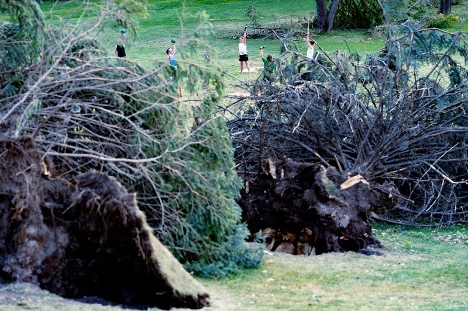
Photo by Eric Robertson
On November 20, 2025, members of the environmental physiotherapy community across the United States gathered for The Uprising, a global moment of conversation. The goal? To discuss how we can better connect, advocate, and integrate nature into our practice and education. From the impact of AI data centers to the psychology of climate communication, the conversation was robust and forward-looking. Here are the key takeaways and resources shared during the meeting.
Reimagining the US Regions Page
A major focus of the discussion was how to utilize the EPA website to foster better connection without splintering our collective efforts. Led by Leslie Schein, the group brainstormed ways to make the US Regions page a living hub for collaboration. Key ideas included:
Going Local: Karene suggested breaking the US group down into smaller sub-regions to facilitate local meetups and connections.
Interactive Spaces: Carly proposed a discussion board or forum for shorter, more immediate interactions.
Showcasing Work: Eric suggested a simple “New and Noteworthy” section where members can share current projects.
Resource Sharing: We identified a critical need for teaching resources and a dedicated “Join Us” section to capture the email addresses of US-based members.
The “Runaway Train”: AI, Data Centers, and Environmental Justice
A significant portion of the roundtable was dedicated to the intersection of technology and the environment. Eric raised concerns regarding the unchecked, unregulated growth of AI data centers, particularly in the American South.
This concern was echoed by Brittany, who is doing extensive work on this issue in Wisconsin. The group discussed how this topic significantly intersects with systemic racism and environmental justice, as these centers often disproportionately affect vulnerable communities. It is a clear area where PTs can advocate for public health by scrutinizing the energy utility of the tools we use.
The Science of Communication: Why Visibility Matters
How do we move from concern to action? Cindy shared insights from the Yale Program on Climate Communication regarding the “Climate Change in the American Mind” survey. The data suggests that people are more likely to discuss and act on global warming when they:
- Believe it is a risk (Knowledge domain).
- Are worried about it (Emotion domain).
- Perceive others making an effort (Social norms).
The Takeaway for PTs: We need to normalize climate action within the profession. When PTs see their peers taking action, it triggers professional social norms—sending the message that “this is what PTs do, and therefore, so should I.”
Advocacy Toolkit & Collaboration
To make action easier, the group discussed building a Political and Policy Advocacy Toolkit. Noriko, Leslie, and Brittany are collaborating on templates for:
- Writing letters to elected officials and editors.
- Op-ed pieces.
- Legislative testimony.
- Using policy analytical frameworks.
Member Spotlights: Wins from Around the US
Our members are busy! Here is a snapshot of the incredible work shared during the updates:
Brittany (WI): Published a powerful Letter to the Editor regarding data centers in Wisconsin and served as the WI Climate Justice Chair for the NAACP.
Katie (ME): Published an op-ed in the Portland Press Herald on accessibility in outdoor spaces and shared the Nature and Health Alliance resource.
Eric & Carly: Are hosting a webinar via BrainSmith on the ethics of AI, with a major focus on environmental impact.
Jean: Recently started as Secretary of the Environment Section of the APHA and is working on policy advocacy related to population health impacts of data centers.
Noriko: Is conducting an advocacy analysis of the County Climate Justice Plan using a collaborative governance approach.
Karene: Is continuing an ongoing study on Climate-informed DPT education.
CSM 2026: Look out for a presentation from Cindy, Karene, Leslie, Brittany, and Noriko!
Get Involved
We are building a community of practice not just around regions, but around topics—from nature-based therapy to advocacy.
Have a resource to share? Send it our way.
Want to join the next roundtable? Keep an eye on the EPA newsletter.
Europe
On the occasion of the Environmental Physiotherapy Association (EPA) regional roundtables event, the Europe Region of World Physiotherapy held a webinar titled “Connecting Physiotherapy and the Sustainable Development Goals”.
Canada (English speaking)
On November 20th, the Canadian English-speaking cohort of environmentally-interested physiotherapists met to discuss environmental physiotherapy (EPT). Hosted by physiotherapists Susan Czyzo and Stephanie Molloy, we wanted to figure out what is important to Canadian PTs, what they’re interested in, what the challenges are, and what they would like to highlight on the Environmental Physiotherapy Association’s (EPA) website for our Region.
Read about the full conversation here
We started by discussing what EPT even is. We talked about how it’s a fluid concept with no fixed definition or one area, but that it’s grounded in planetary health at its core. It can be found at the intersection of environmental justice, social justice, and health justice, incorporating all three themes.
We were curious about what drew the attendees to EPT and this roundtable event. We found physiotherapists and students looking to connect with other therapists across Canada with similar interests and the desire to make the world and the profession better. We heard from physiotherapists who are striving to put the environment at the centre, realising that we’re all part of the environment and all in relation to each other. There was a common interest in advancing health and environmental justice in physiotherapy, and a mutual understanding that the climate crisis is the number one threat to public health globally.
Next, we discussed what is currently happening in the area of EPT in Canada, and where people’s passions lie. Overall, we learned that there are many different areas of interest, many small initiatives (within physio but also related projects from other professions), but a lack of coordination or awareness of one another.
Some highlighted projects include:
-
the PaRx Parks Prescription project where healthcare professionals can prescribe patients free entry to national parks (entry usually costs $9.00 CAD per adult).
-
The work of Émilie Fortin (PhD student) whose research focuses on the potential of re(connection) to the Land in rehabilitation, particularly through nature-based interventions and Indigenous ways of doing.
-
The Canadian Association of Physicians for the Environment (CAPE), an active group of, mainly, physicians with a strong national presence, which could lead to fruitful collaborations.
-
Having more EPT based lectures and curricula in physiotherapy education
-
The University of Alberta’s Rehabilitation Medicine’s Student Association, spearheaded by Amir Shamsi, is leading workshops and lectures addressing and promoting equity, diversity and inclusion, including around the environment and sustainability in healthcare
-
And so much more!
The idea that there are other physiotherapists in Canada with similar interests, that there are already many related projects, small and large, and that we don’t know of each other, all made us realise that although there is an interest in EPT in Canada, there is no established community surrounding it.
We finished by discussing the challenges around this and ways to address them. There seemed to be a consensus that we are very much a grassroots collective at the moment. As one participant said:
“My perception is that there is something going on in almost every province, but that enviro PT hasn’t entered the collective consciousness yet of the profession. It’s still a new topic for a lot of physios. I’d love to see the profile of enviro PT elevated in Canada. Then maybe we might attract more and more physios who are curious about enviro PT, and bring this into the mainstream”.
We saw in this meeting that there is plenty of energy, curiosity, and care for the environment within our profession and country. But how can we build this momentum? How can we learn about each other and start coming together? How do we reshape curricula and get EPT into the collective consciousness of physiotherapists in Canada? For that, we had a simple solution: Physios just need to talk about this more!