
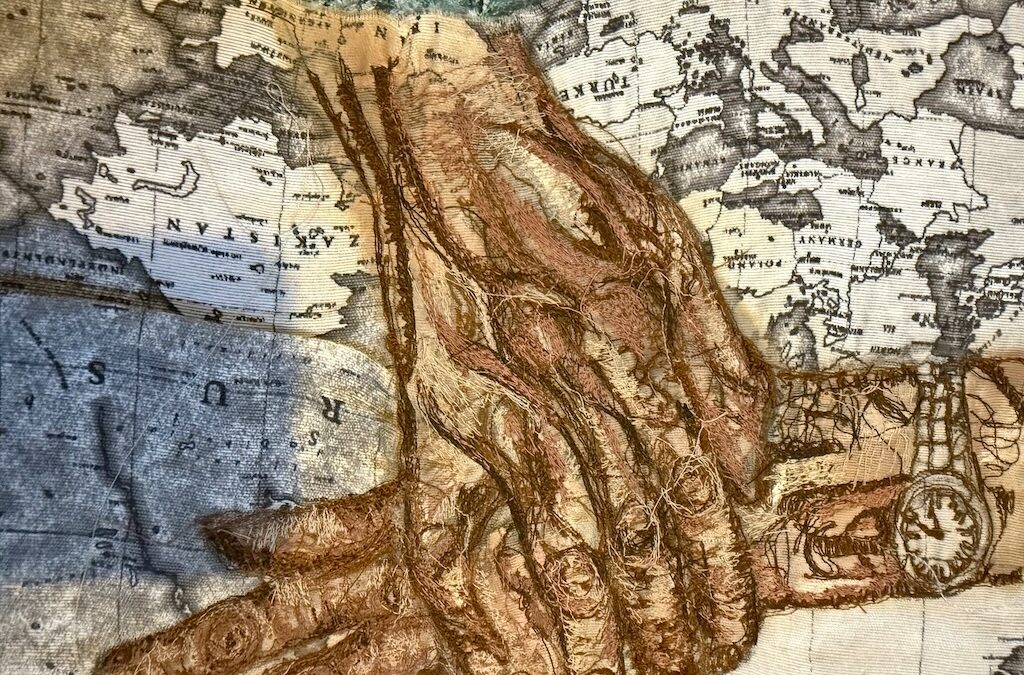
Art remains a threatened and undervalued aspect of the scientific world, with many failing to appreciate its crucial role in communicating and promoting research and ideas. The moment where art and science become interdependent underscores the growing importance of understanding their relationship. When words cannot fully capture a concept, the process and creation of art can—offering a broader way of thinking and understanding (Foss, 1971).
Planetary health extends beyond nature or the environment; it reflects the deep connection between human well-being and the Earth’s well-being—when the planet suffers, so do we (Page, 2020). Through my art project, Anthropocentrism and the Planet, I explore how human actions impact nature and, in turn, how the planet’s condition shapes our health.
The project challenges the human-centred mindset of the Anthropocene and draws on theories such as the Biophilia Hypothesis, Stress Reduction Theory, Attention Restoration Theory, and the Inclusion of Nature in Self (Jimenez et al., 2021)—each emphasising our intrinsic bond with the natural world.
“Art plays a vital role in this conversation, amplifying unheard voices, bridging communities, and sparking global dialogue about health, equity, and the planet we share” (Donald et al., 2025).
In a previous project, I examined people’s connection to place, initially believing that the relationships and connections across borders were most significant. Now, as I develop as a clinician, I recognise how central the relationship between health and nature truly is.
Two pieces from that earlier work explored the symbolism of hands as representations of communication, creation, and connection—one a biro drawing, the other machine-stitched on map canvas (see Figures 1 and 2).
Freya Mizen
MSK Chartered Physiotherapist, University of Nottingham. MCSP, HCPC, BSc Hons.
Freya is a Musculoskeletal Physiotherapist based in the UK, passionate about integrating art into her practice to inspire engagement and spark meaningful conversations. Her work reflects a deep interest in global and planetary health, exploring how creativity can bridge the worlds of science, wellbeing, and environmental awareness.
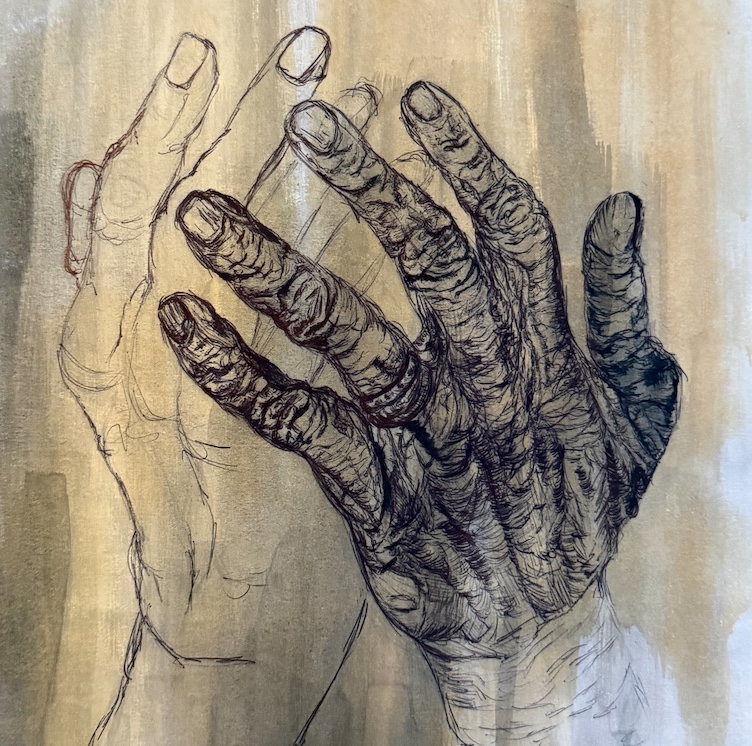
Figure 1: Freya Mizen, Biro Hands
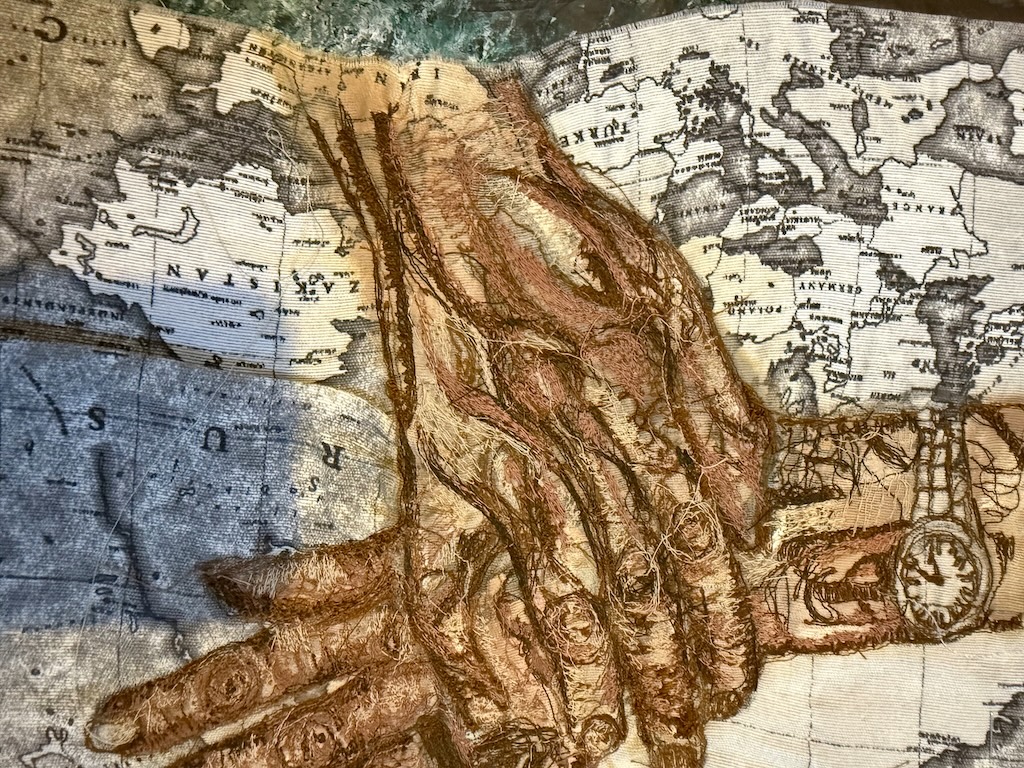
Figure 2: Freya Mizen, Hands stitched on map
Figure 3 depicts the concept of connection and communication in place: hands stitched, a face painted in oil, and a hand-drawn map behind. Together, these works suggest that we connect across borders through creativity and dialogue—linking directly to my current project’s focus on global conversations around health, the planet, and collective responsibility.
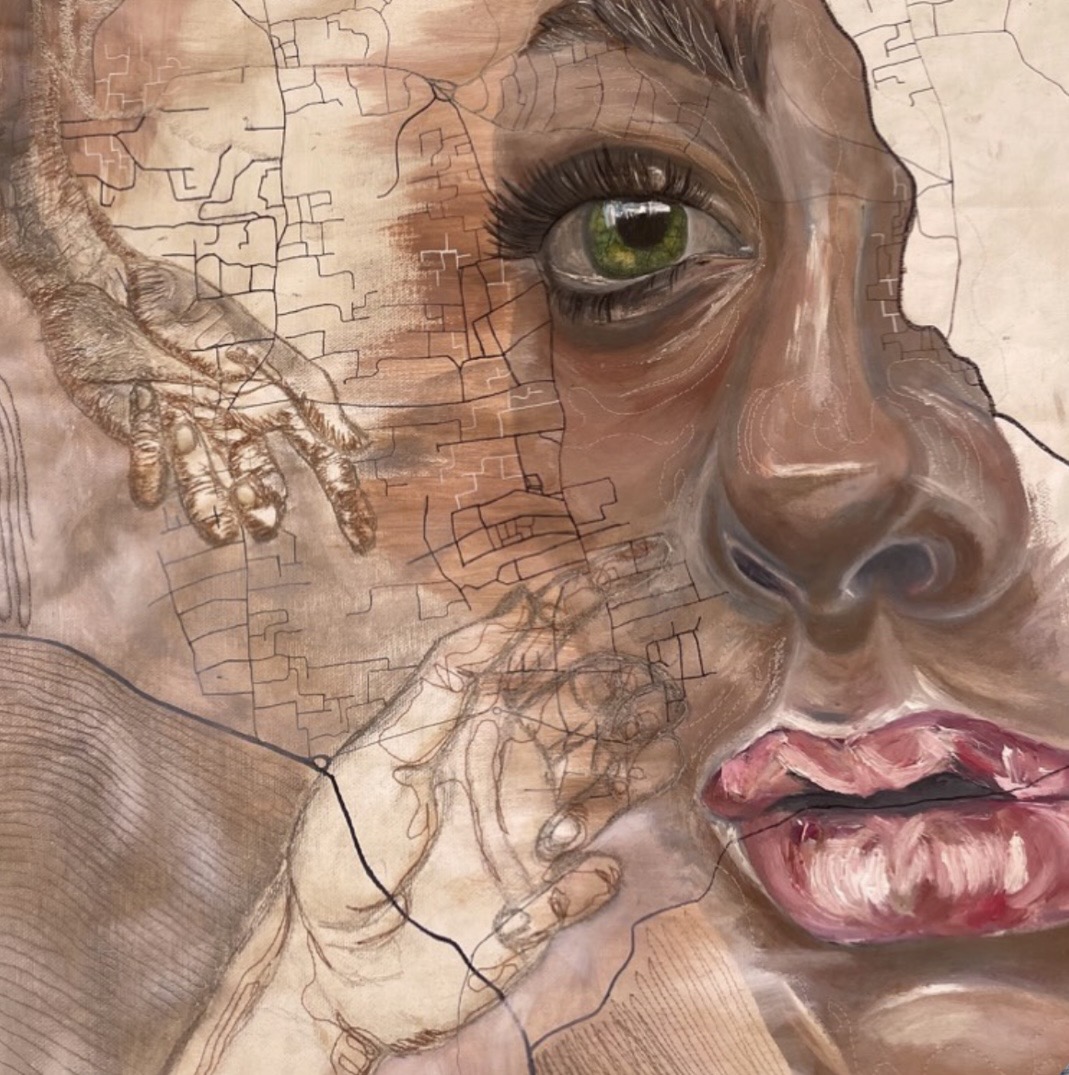
Figure 3: Freya Mizen, hands stitched and face painted in oil on the background of a hand-drawn map
This exploration evolved into my use of natural forms and materials, evident in Figure 4. Created with gesso, acrylic, and leaves, the piece evokes the textures of nature itself. I am fascinated by the patterns found in leaves and trees—their resemblance to cartography, identity, and even the prints of our skin and DNA. Everything holds an innate and powerful connection. This is exemplified in an ink drawing (Figure 1) where the intricate lines resemble a fingerprint, though they depict the growth rings of a tree.
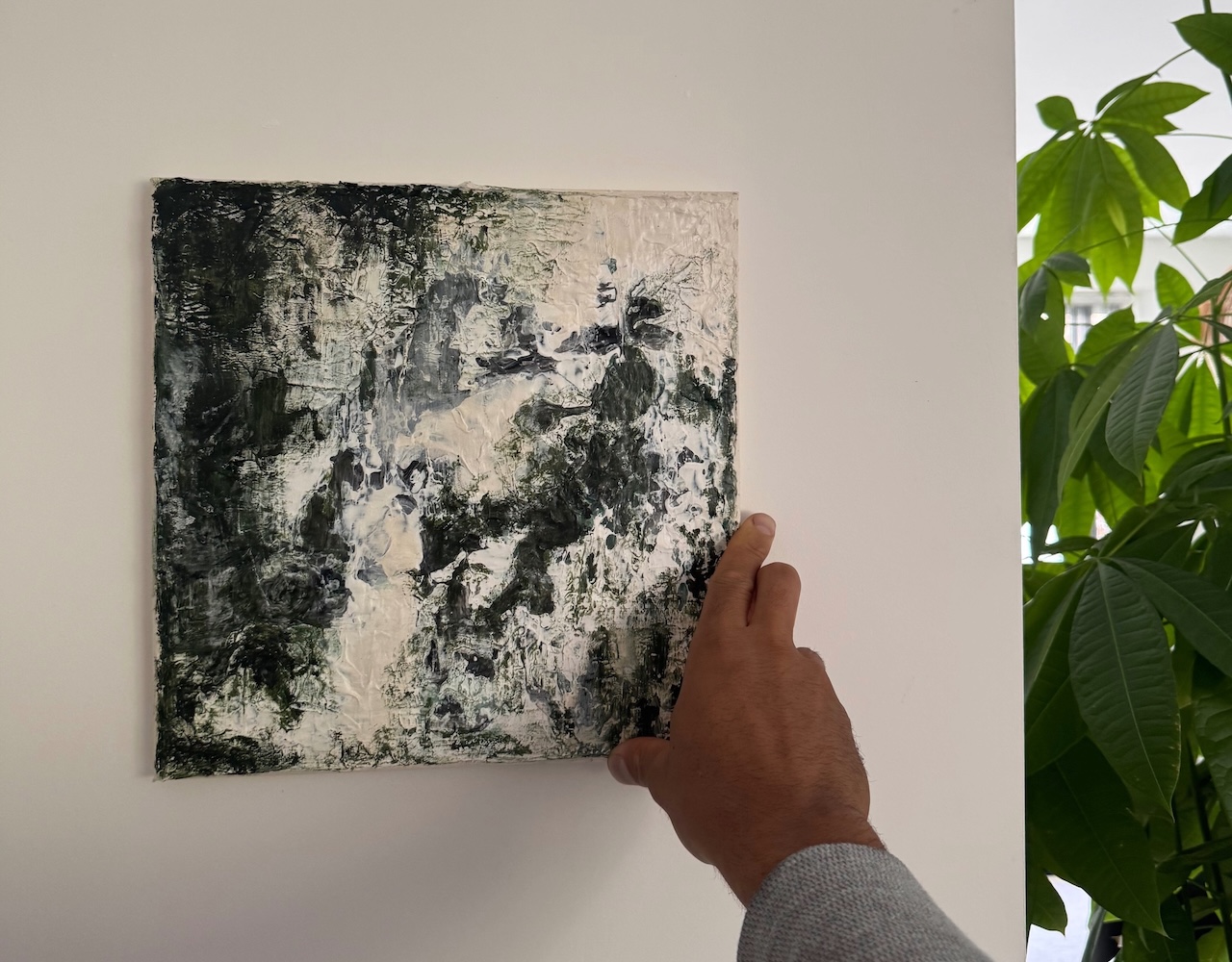
Figure 4: Freya Mizen, Gesso and Acrylic Planetary Project Piece.
Everything that surrounds us is connected and has a direct impact on one another. There is overwhelming evidence that exposure to nature has profoundly positive effects on human health (Jimenez et al., 2021). Therefore, environmental restoration and climate change are not only ecological issues—they are deeply human ones, shaping our health, our existence, and our shared future (Zhao et al., 2022).

Figure 5: Freya Mizen, Biro drawn tree growth rings
Reflecting on the intersection of art and science, both disciplines share the power to help us articulate and understand the world (Foss, 1971). Together, they can bridge the gap between researchers and the public, enhance communication, and foster creativity and deeper ways of thinking (Wright et al., 2023). They make us ask why—and drive the kind of interdisciplinary problem-solving our world urgently needs (Sandrin et al., 2024).
References
Foss, L. (1971). Art as cognitive: Beyond scientific realism. Philosophy of Science, 38(2), 234–250. https://doi.org/10.1086/288358
Jimenez, M., DeVille, N., Elliott, E., Schiff, J., Wilt, G., Hart, J., & James, P. (2021). Associations between nature exposure and health: A review of the evidence. International Journal of Environmental Research and Public Health, 18(9). https://doi.org/10.3390/ijerph18094790
Page, J. (2020). Planetary art beyond the human: Rethinking agency in the Anthropocene. The Anthropocene Review, 7(3), 205301962091649. https://doi.org/10.1177/2053019620916498
Wright, R. A., Jackson, K., Girardin, C., Smith, N., & Wedding, L. M. (2023). GC insights: Enhancing inclusive engagement with the geosciences through art–science collaborations. Geoscience Communication, 6(1), 39–43. https://doi.org/10.5194/gc-6-39-2023
Sandrin, S., Ball, B., & Arora, I. (2024). “Two sides of the same coin”: Benefits of science–art collaboration and field immersion for undergraduate research experiences. Education Sciences, 14(6), 620. https://doi.org/10.3390/educsci14060620
Donald, M., Perry, K. E., Srivastava, S., Rawat, A., Orth, Z., Tran, P. B., Chong, D. W.-Q., Kazibwe, J., Shaukat, M., Garavito, A., Mazen Boroudi, Dsouza, V., Chowdhury, S., Aktar, B., Costa, D. D., Ochaita, D., & Scott, K. (2025). Representation, activism, health promotion, and communication: The role of art in advancing global health and social justice. PLOS Global Public Health, 5(7), e0004761. https://doi.org/10.1371/journal.pgph.0004761
Zhao, Q., Yu, P., Mahendran, R., Huang, W., Gao, Y., Yang, Z., Ye, T., Wen, B., Wu, Y., Li, S., & Guo, Y. (2022). Global climate change and human health: pathways and possible solutions. Eco-Environment & Health, 1(2), 53–62. https://doi.org/10.1016/j.eehl.2022.04.004