
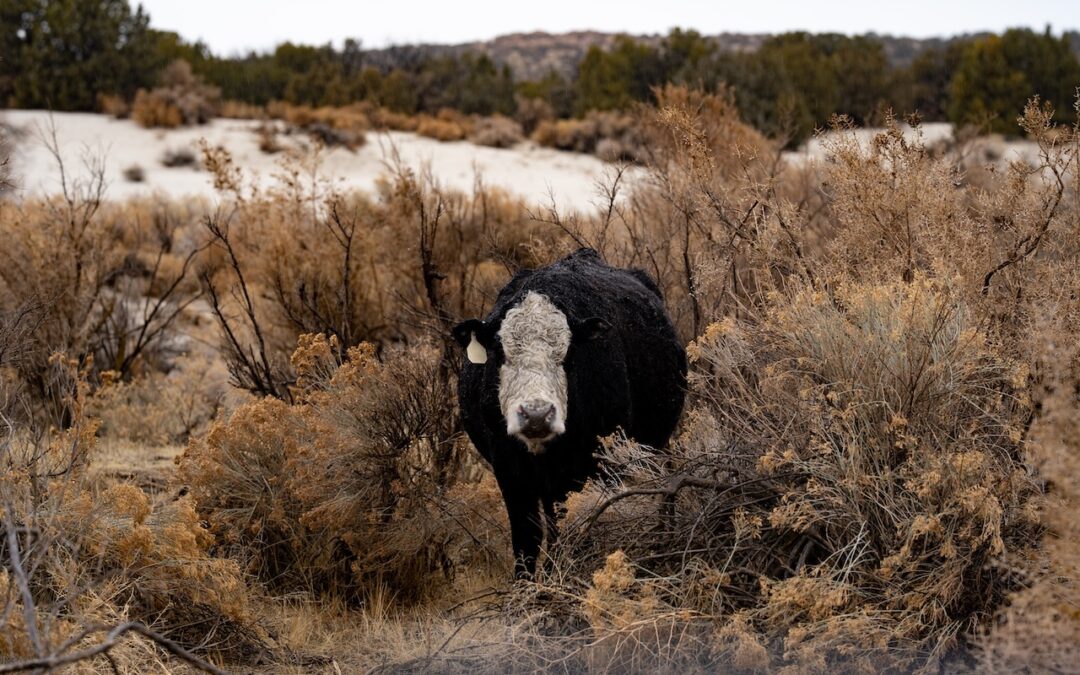
In science, we use large datasets to learn things. Single-case studies are placed low on the pyramid of evidence and are valuable, but are nevertheless overlooked in critical decisions, such as when to approve a new medication or develop clinical practice guidelines. In a similar way, I use large datasets in art to learn and create new knowledge.
Create new knowledge you say? Yeah, this was new to me at one point, too, thinking that science was the only way to create new knowledge. Like many things, a good story helps this point along.
It was my first day of orientation in art school for my MFA at the San Francisco Art Institute. Unlike many there, I had no prior art degrees but did have education in physical therapy (read: science). One of the first slides of the day listed out the institution’s objectives. The first one was to “create new knowledge.” This confused me, as previously stated.
A little later, while on a small break, I saw a person standing alone looking out over the SF bay and decided that they were likely also an MFA student and that it might be a good idea to discuss my surprise about this concept of art schools creating new knowledge. Let’s also say that every part of this person exuded the stereotype of “artist.” I had no idea what I was in for…
After my inquiry and statement were flatly rejected, and my new artist “friend” huffed away in anger, I was left alone to contemplate how silly that must have sounded. She didn’t speak to me again for several months. But, after time, she relented and accepted me as a peer. Today, her art proudly hangs in my house, having exchanged each other’s work.
The point of the story is that I learned that knowledge can exist and be created in many forms. For me, creating photos is one part creative expression, one part me learning something about the world around me, and combining this to try to communicate something about this experience.
Eric Robertson, PT, DPT, MFA
Associate Professor Clinical Physiotherapy
Eric Robertson is Associate Professor and Senior Coordinator of Hybrid Faculty Development at University of St. Augustine and the CEO and co-founder of Brainsmith, LLC, an education innovation company. Eric received an MFA degree from the San Francisco Art Institute in 2021 in studio arts and exhibits his art work centering around reflections on our relationship with the environment around the world.Visit www.ericrobertson.com to see some of his artworks.
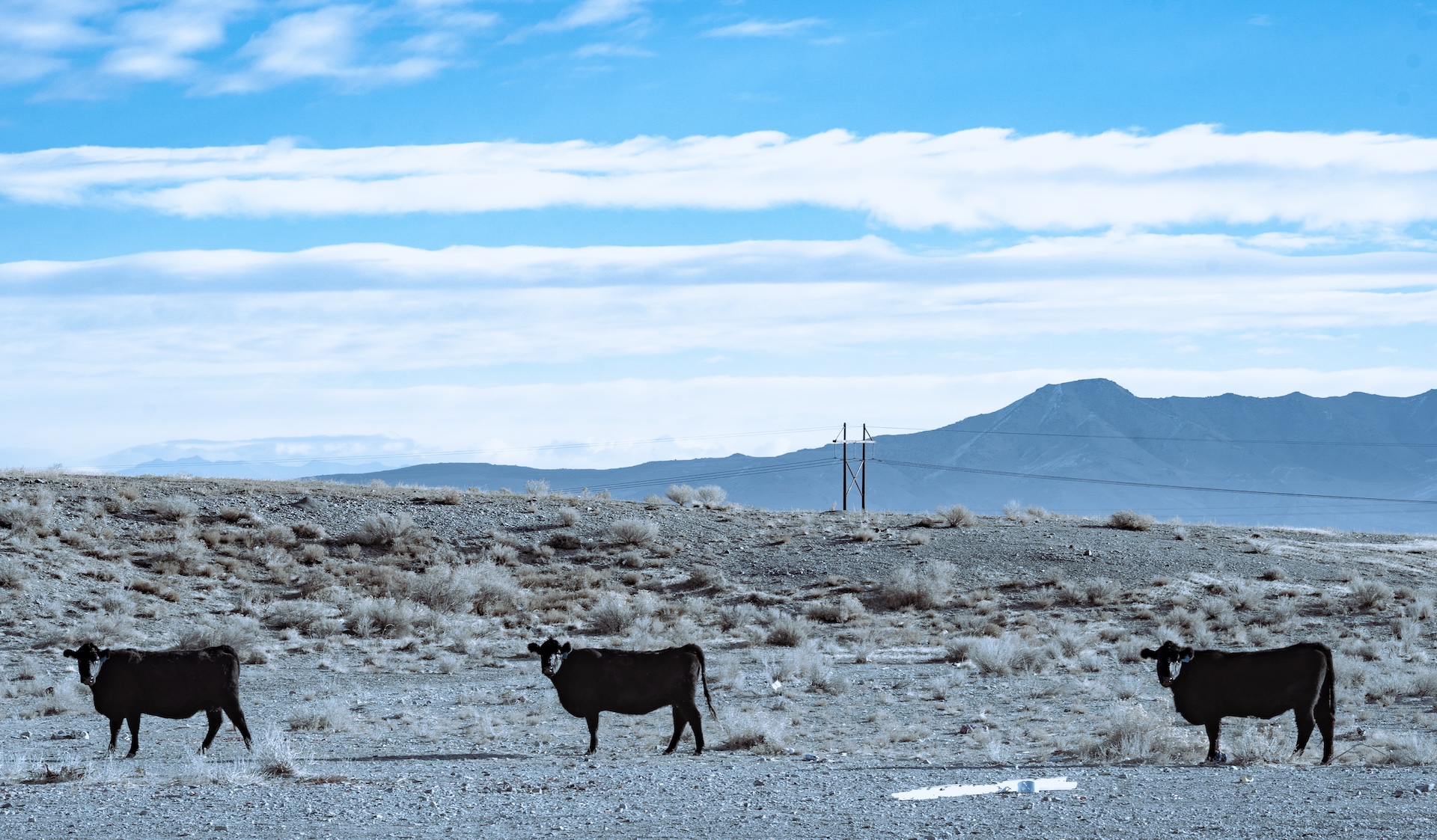
This sense of exploration can have significant sway over my decisions during the creative process. I usually visit locations several times, take repeated photos of interesting subjects, and experiment with types of cameras, different film stocks, and even infrared photography. As I’m doing this, I often read and research the subject, area, fauna, etc., deeply to help me understand what it is I’m seeing and feeling.
This methodological pluralism is a defining characteristic of my art work. I’ve had exhibitions where entire walls of a gallery were me experimenting with a subject. One wall was all cow portraits! This process is my reflection, my deliberation, of what the final art form might take. This close introspection has parallels for me with examining a patient, with creating an intervention plan, and iterating it as you learn more about the person in front of you.
Like our science brains, art brains also need iterative processing. Like our science world, our art world creates new knowledge too. Perhaps it just uses different forms of experimentation.
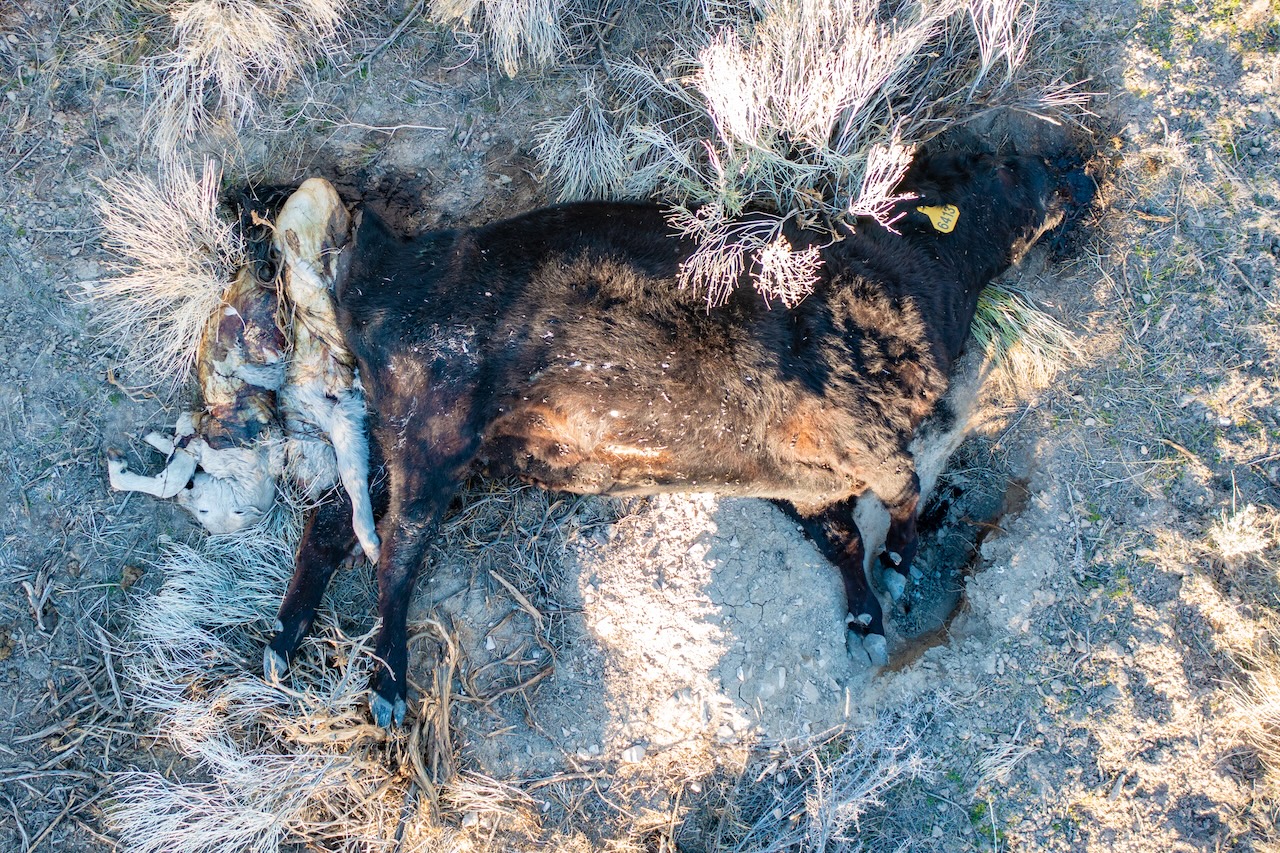
All photos by Eric Robertson: www.ericrobertson.com