
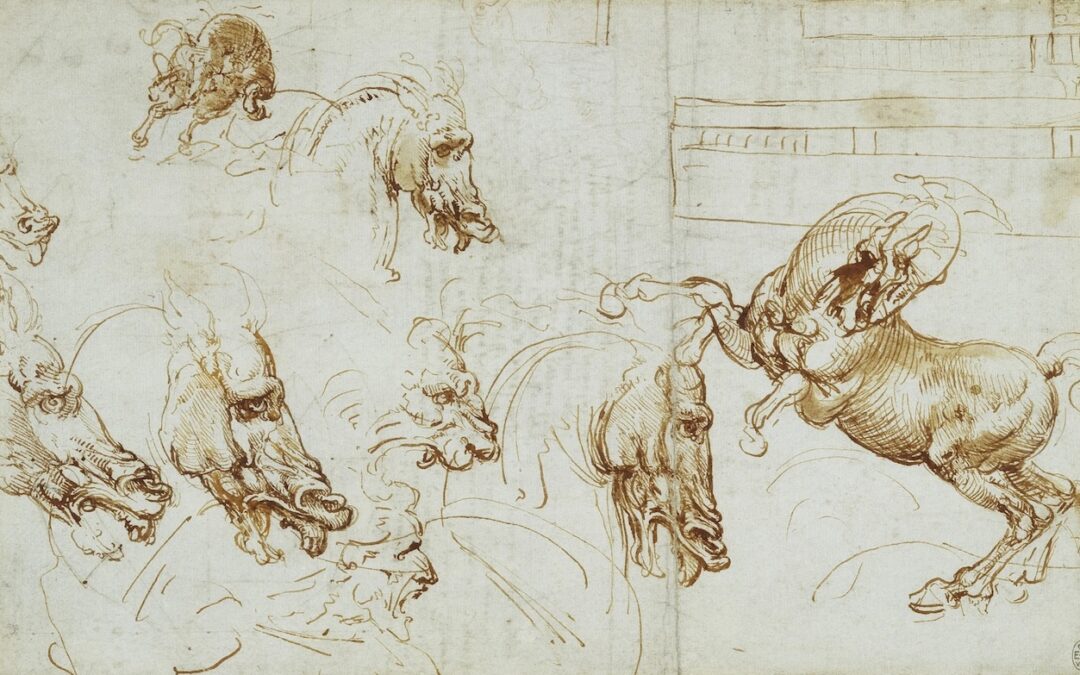
Artists and scientists both observe and interpret the world, but they do so through different epistemologies. While these disciplines are distinct, encounters between them can generate new forms of understanding (Zhu & Goyal, 2018). Edwards (2009), a Harvard biomedical engineer, describes this convergence as “the fusion of aesthetic and scientific methods with the aim of idea translation,” emphasising collaboration across disciplinary boundaries to generate novel ideas and socially relevant innovation. He argues that meaningful success lies in sustained idea translation: the ongoing movement of ideas across disciplinary, cultural, and social contexts to deepen understanding and expand the possibilities of each field (Edwards, 2009).
Planetary health is a “solutions-oriented, transdisciplinary field and social movement, focused on analysing and addressing the impacts of human disruptions to Earth’s natural systems on human health and all life on Earth” (Horton & Lo, 2015). Within this framework, health is understood as inseparable from sustainability, highlighting the need for practices that support both human and planetary wellbeing. Core concepts such as interconnectedness and sustainability challenge anthropocentric healthcare models and align closely with emerging perspectives in environmental physiotherapy. Emphasising movement, adaptability, and responsiveness to place, environment, and more-than-human relations (Thille et al., 2025).
When an integrative lens is applied to planetary health and environmental physiotherapy, it opens new ways of thinking about care, embodiment, and ecological responsibility. Care in this sense relates not just to treating the individual patient but also to caring for opportunities and ecosystems that affect health. It appreciates an understanding that the body is connected to its environment rather than separate from it. Art-science can evoke urgency and ‘care’, while experiences in nature reveal its role in human health, bringing attention to this matter (Kheder, 2024). Before an integrated approach can be properly appreciated, it is important to understand the characteristics of both disciplines as distinct fields.
Freya Mizen
MSK Chartered Physiotherapist, University of Nottingham. MCSP, HCPC, BSc Hons.
Freya is a Musculoskeletal Physiotherapist based in the UK, passionate about integrating art into her practice to inspire engagement and spark meaningful conversations. Her work reflects a deep interest in global and planetary health, exploring how creativity can bridge the worlds of science, wellbeing, and environmental awareness.
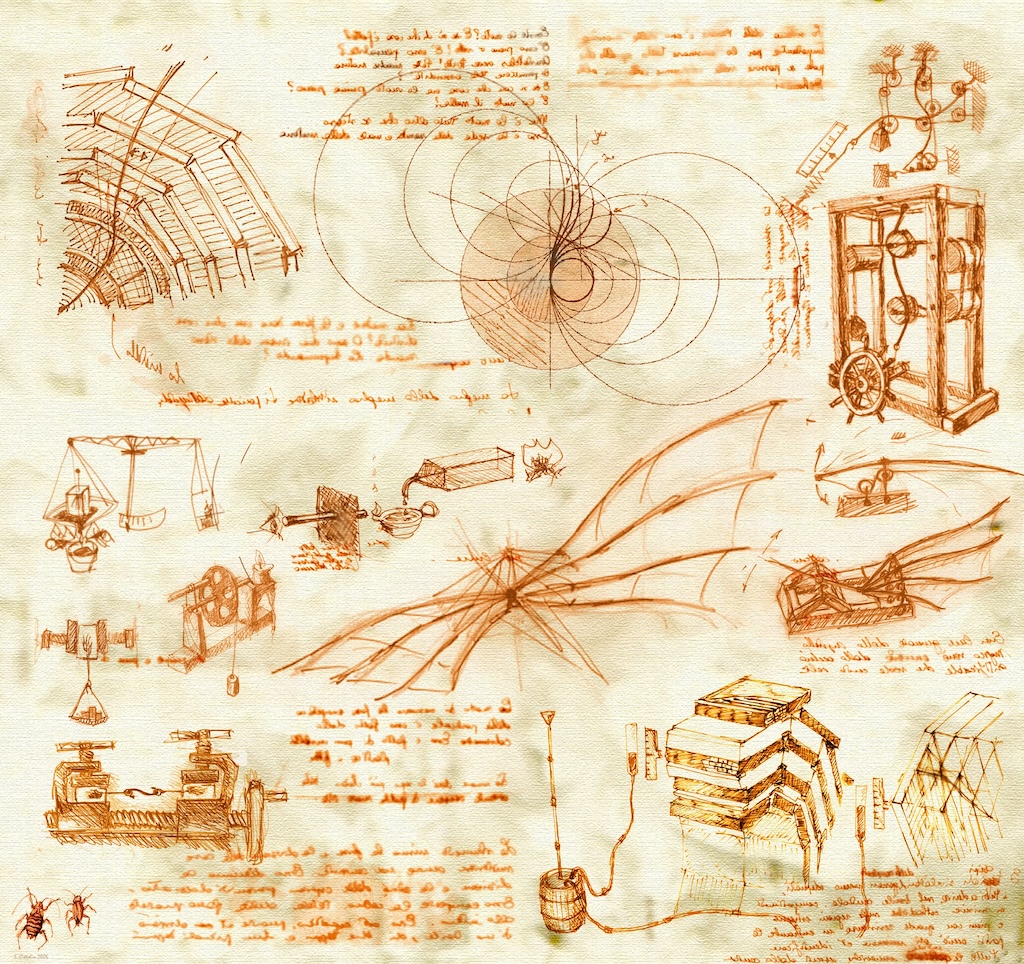
Science has traditionally been grounded in empirical investigation, measurement, and repeatability, with the aim of explaining physical laws and producing binary understanding (Krauss, 2024). Art, in contrast, operates within a broader, interpretive space characterised by creative freedom, exploration and potential differences in understanding between the creator and viewer. Further, art’s fluid thinking helps surface forms of knowledge that are often overlooked in conventional scientific discourse (Cejudo, 2020). Zhu and Goyal (2018) suggest that, despite overlapping interests, art and science retain distinct characteristics and largely operate as separate disciplines. I invite critical reflection on how disciplinary boundaries may limit our capacity to respond to complex, interconnected health and environmental challenges, as we aim to do in planetary health and environmental physiotherapy.
As civil rights activist Raiford Chatman observed, “Any form of art is a form of power; it has impact, it can affect change – it can not only move us, it makes us move” (Kapilashrami, Quinn & Das, 2025). Historically, moments of convergence between art-science have helped to illuminate complexity by offering complementary perspectives on social and environmental phenomena (Nyakayo, 2025). Art-science can be ‘inter-generative, meaning innovating through integration or blending, and going ‘between’ to go ‘beyond’’, which can help viewers to see that the planets health is complex and is a health concern for all (Thomas, 2016). This understanding reframes environmental damage not as a distant global issue, but as an immediate health concern.
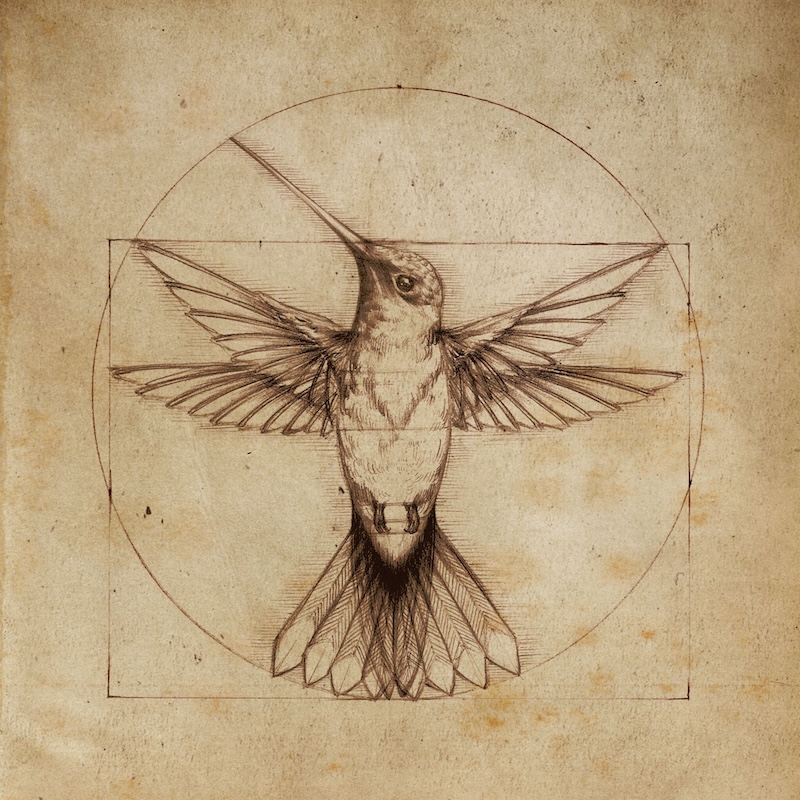
A well-known example of art and science converging is Leonardo da Vinci’s Vitruvian Man (c. 1490), created during the Italian Renaissance. Informed by the writings of the Roman architect Vitruvius, the drawing explores human proportion through a synthesis of anatomical precision and artistic imagination. It embodies the Renaissance belief that “everything connects to everything else” (Magazù, Coletta & Migliardo, 2019), a perspective that resonates strongly with contemporary frameworks of planetary health and environmental physiotherapy.
While the Vitruvian Man represents a pivotal moment in art–science collaboration, it also invites critical reflection. Art possesses the capacity to move beyond representation, evoking emotional, embodied responses in both the creator and the viewer. Da Vinci’s anatomical drawings made a substantial contribution to surgical and medical knowledge in their historical context; their purpose was clear and aligned with the scientific needs of the time. However, when considered against contemporary challenges, particularly those of the twenty-first century, there is an opportunity to extend beyond these conventional boundaries. Art–science practices can now reimagine what the human body signifies, not only as an object of anatomical study, but as an entity deeply entangled with environmental systems, planetary health, and ecological responsibility.
The idea that “art is a form of power; it has impact, it can affect change” (Kapilashrami, Quinn & Das, 2025) underscores the importance of engaging both the emotional experiences of the artist and the viewer. When paired with clear communication and critical reflection, art–science practices can achieve what Edwards (2009) describes as the “fusion of aesthetic and scientific methods with the aim of idea translation,” enabling complex concepts to be communicated, felt, and acted upon.
References
Cejudo, R. (2020) ‘J. S. Mill on Artistic Freedom and Censorship’, Utilitas, 33(2), pp. 1–13. https://doi.org/10.1017/s0953820820000230
Edwards, D.A. (2009) Artscience: Creativity in the post-Google generation. Cambridge, MA: Harvard University Press.
Horton, R. and Lo, S. (2015) ‘Planetary health: a new science for exceptional action’, The Lancet, 386(10007), pp. 1921–1922. https://doi.org/10.1016/s0140-6736(15)61038-8
Kapilashrami, A., Quinn, N. and Das, A. (2025) Advancing Health Rights and Tackling Inequalities: Interrogating Community Development and Participatory Praxis. Oxford: OUP Academic. https://doi.org/10.1332/policypress/9781447361398.001.0001
Kheder, A. (2024) ‘Contemporary Art and Posthumanism: Redefining Humanity Through Art’. KHEDERPAINTINGS[online]. Available at: https://www.khederpaintings.com/post/contemporary-art-and-posthumanism (Accessed: 12/01/26).
Krauss, A. (2024) ‘The Limits of Science: An Overview’, in [Book/Collection title if applicable]. [online] pp. 118–127. https://doi.org/10.1093/9780198937401.003.0019
Magazù, S., Coletta, N. and Migliardo, F. (2019) ‘The Vitruvian Man of Leonardo da Vinci as a Representation of an Operational Approach to Knowledge’, Foundations of Science, 24(4), pp. 751–773. https://doi.org/10.1007/s10699-019-09616-5
Nyakayo, A., O. (2025) ‘The Intersection of Science and Art: Collaborative Approaches’, Newport International Journal of Engineering and Physical Sciences, 5(1), pp. 1–6. https://doi.org/10.59298/nijep/2025/511600
Thomas, P. (2016). Combining art and science in healthcare. London Journal of Primary Care, 8(2), pp.19–20. https://doi.org/10.1080/17571472.2016.1169746
Thille, P., Hebron, C., Galvaan, R. & Groven, K. S. (Eds.) (2025). Inviting movements in physiotherapy: An anthology of critical scholarship. Critical Physiotherapy Network and College of Rehabilitation Sciences, University of Manitoba. https://doi.org/10.82231/S8HA-YK54
Zhu, L. and Goyal, Y. (2018) ‘Art and Science’, EMBO Reports, 20(2). https://doi.org/10.15252/embr.201847061