
In the spring 2025 semester, Qatar University (QU) Department of Rehabilitation Sciences (DRS) Physiotherapy students (class of 2026) engaged in a series of nature-based mindfulness activities, which we designed and delivered in order to deepen our connection with nature and promote personal wellbeing, as part of one of our third year courses. We were given the task, in pairs or groups of three students, of exploring one unique component of nature, such as clay, shells, the ocean, sand, or flowers, and designing a mindfulness activity around it. This assignment was incorporated into the physiotherapy curriculum after QU joined the Environmental Physiotherapy Association (EPA) as a participating institution in 2023, in alignment with a shared commitment to environmental awareness and fostering a greener, more mindful campus at QU and Qatar, as reflected in the environmental strategies of Qatar’s 2030 National Vision (State of Qatar, n.d.).
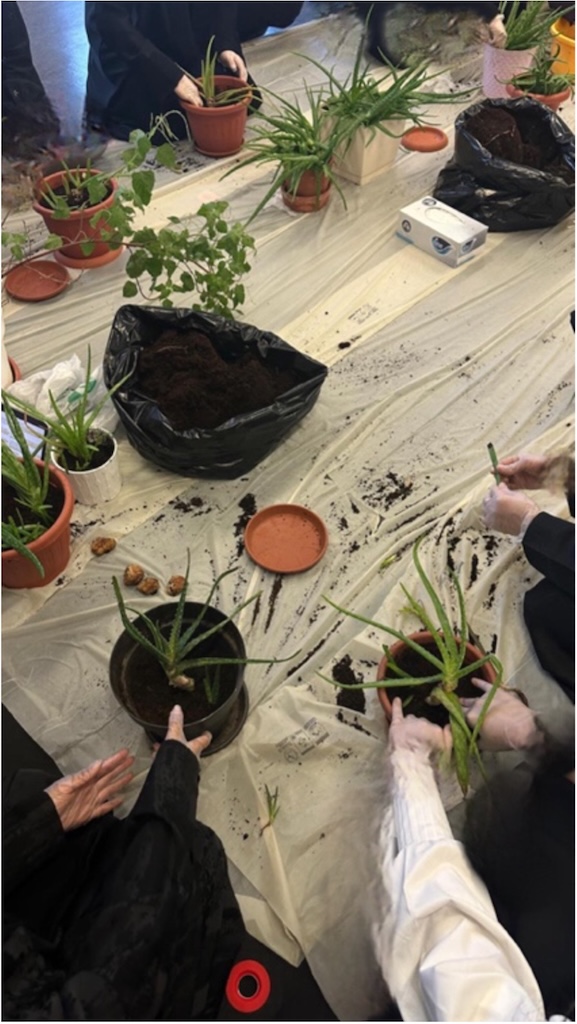
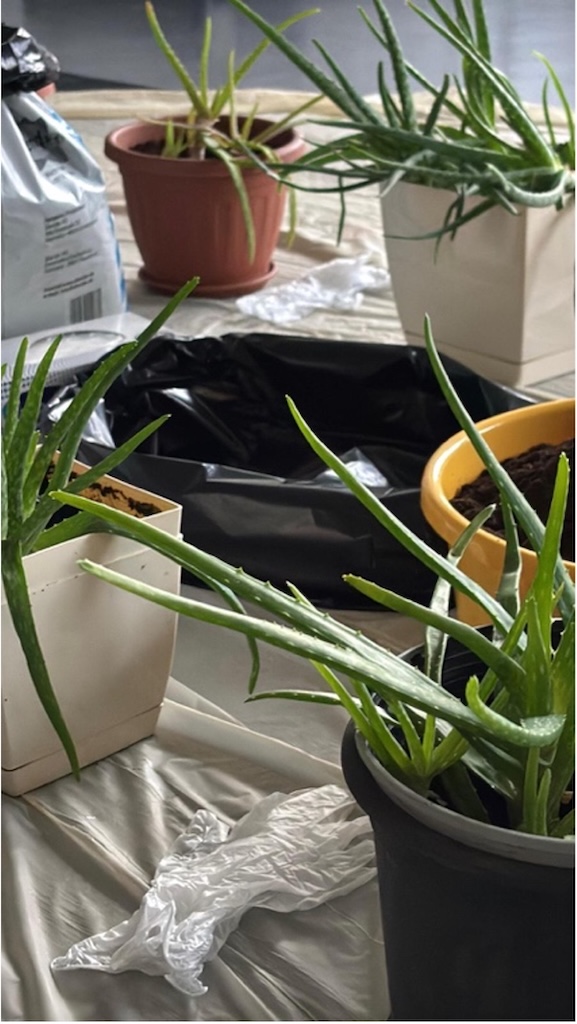
For our group’s mindfulness activity, we chose something meaningful that not only engaged the senses but also connected us deeply with nature and ourselves. We called our activity “From Soil to Soul,” a name that beautifully reflected our goal of nurturing both the earth and our inner wellbeing. Our activity began with revitalizing the plant garden in the hallway outside our classroom, turning it into a vibrant welcome for all who pass by.
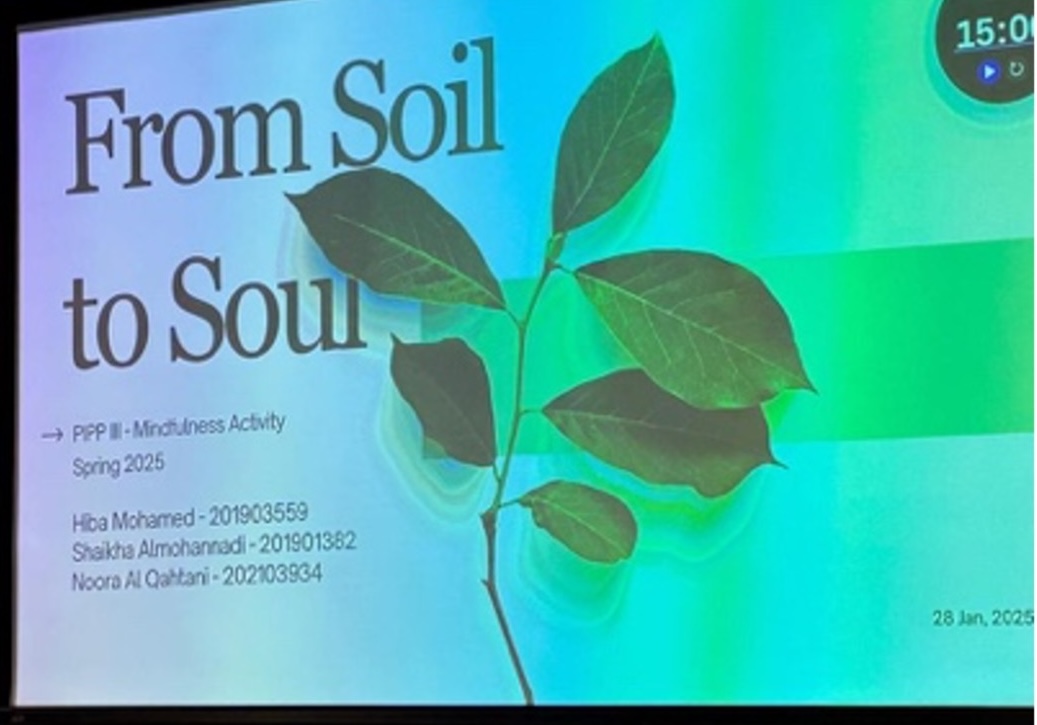
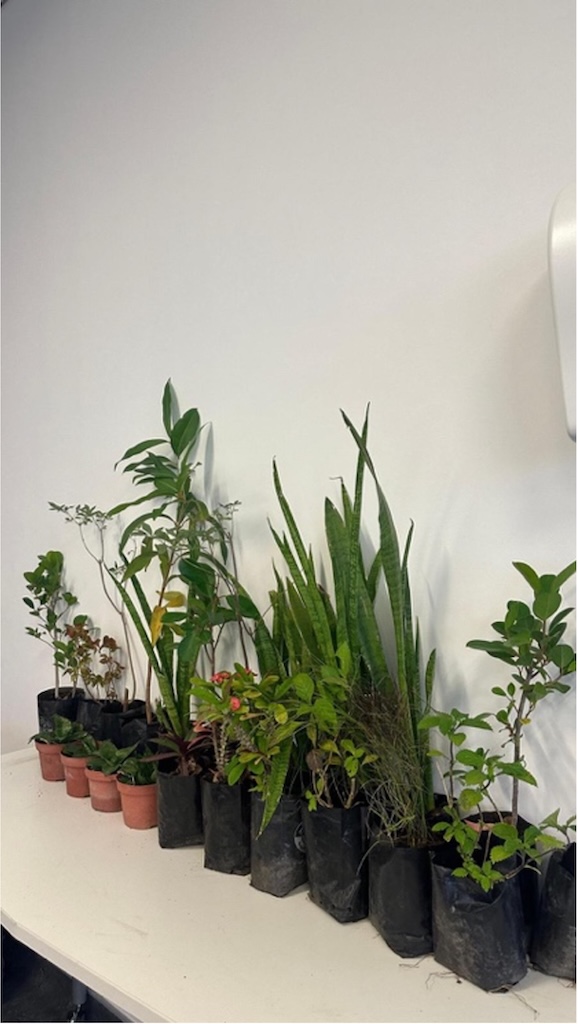
We guided our classmates to replace the old soil with fresh, nutrient-rich soil, giving the present plants a fresh start. We contemplated each plant’s unique needs, connected with the soil, and grounded ourselves in the present moment. After reviving the garden, we were gifted a personal seedling to take home, encouraging ongoing mindfulness beyond the session. By nurturing our plants, we practiced patience and mindfulness, reflecting the self-care we all need in our daily lives (Passmore & Holder, 2017). This activity not only helped us reconnect with nature but also cultivated a peaceful space for self-reflection, gratitude, and personal growth, truly making it a mindfulness experience from soil to soul.
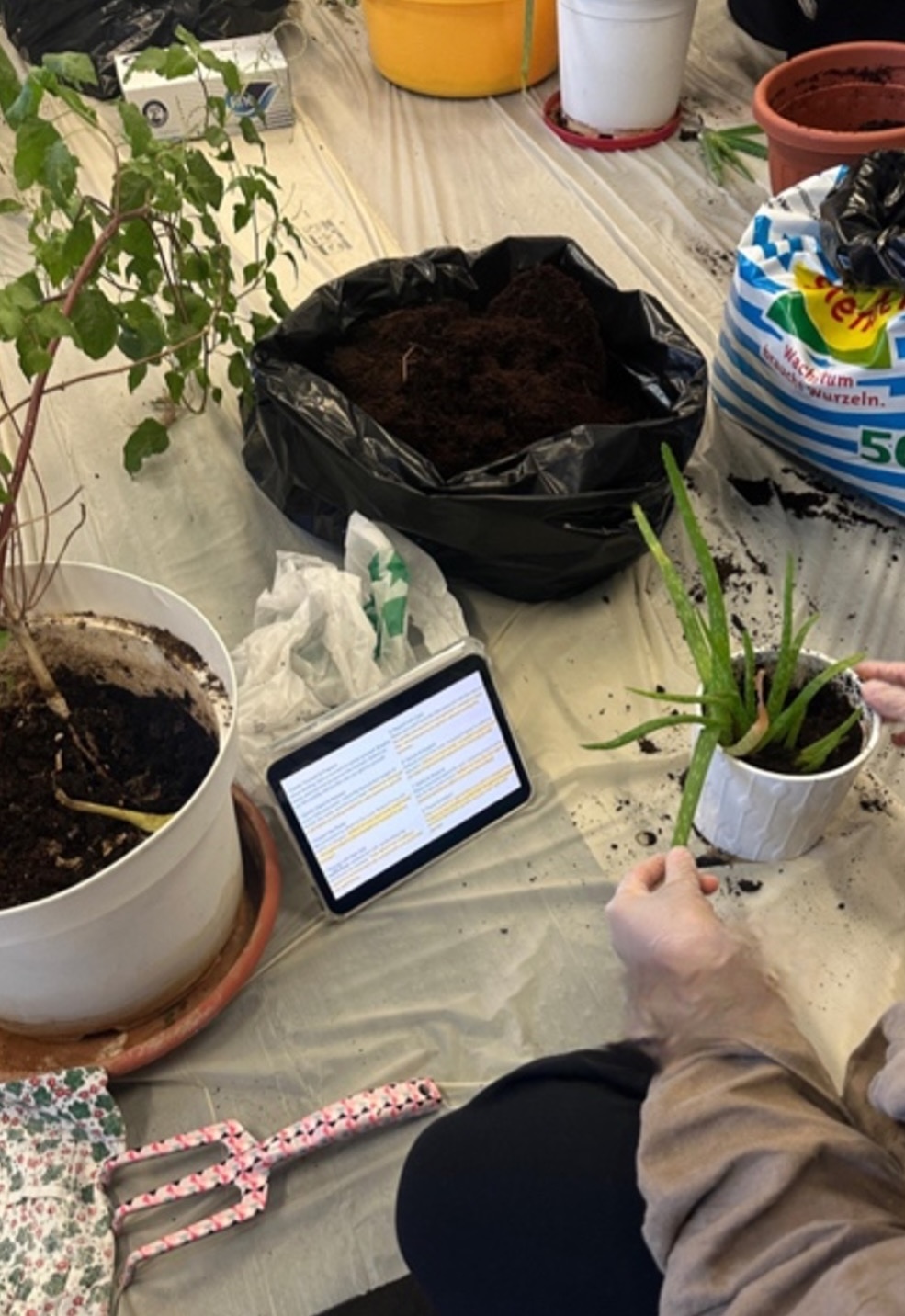
Creating and participating in our mindfulness activity cultivated a deep connection to both the earth and our growth as students. Changing the soil, the very element we were created from, observing the roots, and replanting, symbolized personal renewal, which was a reminder to slow down and be present.
On our last day at the university as third-year physiotherapy students, before starting our clinical placements, Dr. Jennifer organized a session for our entire class and invited the faculty to attend. Each group presented their nature-based mindfulness activity, explained its meaning and purpose, shared examples of what was done, and showed some of the photos and videos that were captured over the semester throughout our nature-based mindfulness activities. The faculty’s feedback affirmed our effort to create an intentional, calming experience, while the reflections of our colleagues showed that even simple acts such as touching soil and re-planting plants can spark inner awareness. We learned that mindful learning does not have to be complex – it simply requires showing up and being present. The plants we took home and nurtured have reminded us that growth takes patience, and that meaningful change begins in the smallest, quietest moments.
Hiba Mohamed
4th year physiotherapy student, Qatar University
Shaikha Almohannadi
4th year physiotherapy student, Qatar University
Noora Al-Qahtani
4th year physiotherapy student, Qatar University
Noora is a motivated senior Physiotherapy student at Qatar University, driven by a strong sense of social responsibility and a passion for creating meaningful change in healthcare and beyond. She is actively engaged in research, environmental advocacy, and interprofessional collaboration.

Jennifer Allen (BKin, MScPT, DPT)
Senior Physiotherapist & Lecturer
Moving forward, we are committed to deepening the role of nature-based mindfulness within our department and clinical practice. We plan to incorporate nature-based mindfulness practices into our therapeutic approaches, encouraging both patients and colleagues to connect with nature, manage stress, and promote healing. Our aim is to build a sustainable model where mindfulness becomes part of our daily routines, and we help others reconnect with nature and live with greater awareness and care for the world around them.
References
Header image by Arthon Meekodong
Passmore, H.-A., & Holder, M. D. (2017). Noticing nature: Individual and social benefits of a two-week intervention. The Journal of Positive Psychology, 12(6), 537–546. https://doi.org/10.1080/17439760.2016.1221126
State of Qatar. (n.d.). Qatar National Vision 2030. https://www.gco.gov.qa/en/state-of-qatar/qatar-national-vision-2030/