

Ever wonder how other allied health professionals are integrating nature-based approaches into their practice? We conducted a survey of allied health professionals in Australia who were interested in nature-based approaches to find out what they were doing, what signs, symptoms or conditions nature-based approaches could help with, and what some of the challenges were and what may help overcome these challenges. Here’s what we found.
What are allied health professionals doing?
Allied health professionals utilised a broad range of outdoor nature-based activities, including land-based gross and fine motor skills, water-based activities, gardening, ecological conservation/restoration, active and powered transport, engaging with/tending to animals, nature play, wilderness activities, observation activities, mindfulness/meditation/relaxation and forest bathing, as well as social activities. The indoor nature-based activities included having indoor pot plants, listening to natural sounds, pictures of natural scenes, natural scents, opening windows, view of nature through windows, and nature-based virtual reality. Participants were also engaged in a range of activities related to advocacy or direct involvement in the provision of or improvement to natural spaces.
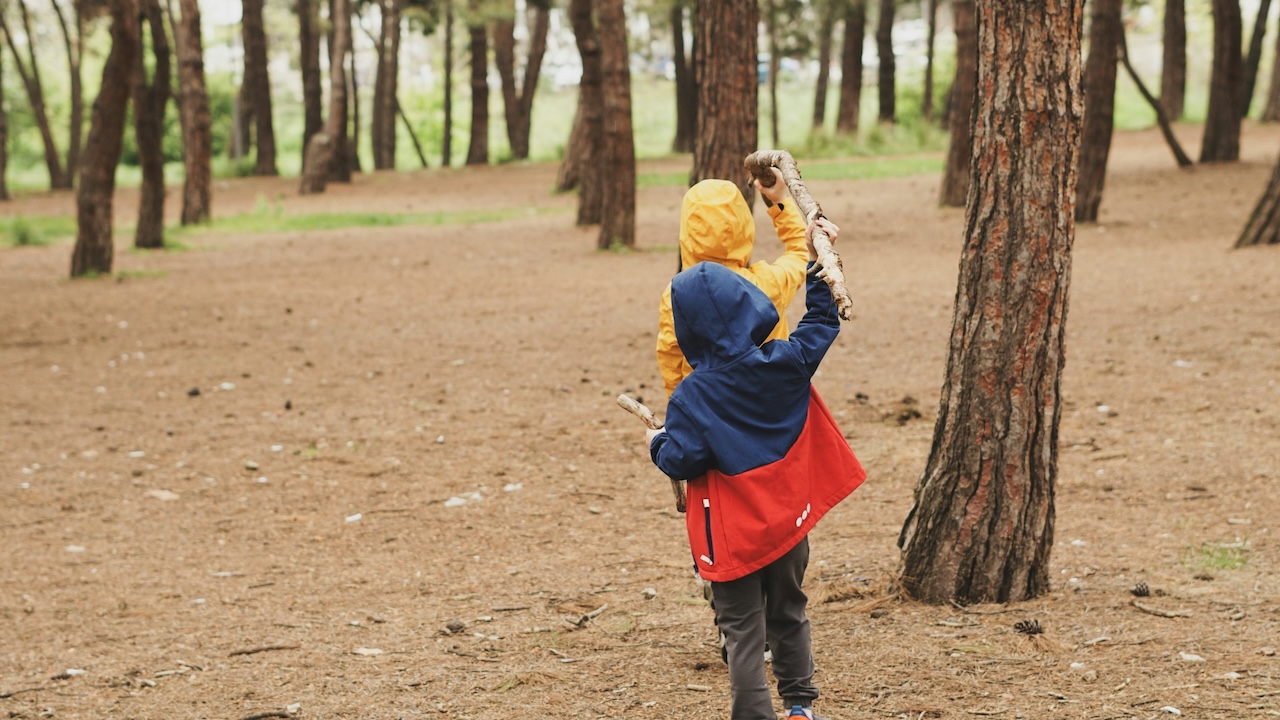
Photo by Duygu Güngör on Unsplash
Jessica Stanhope (PhD)
Chief Medical Scientist, Rheumatology Unit, The Queen Elizabeth Hospital, SA Health & Lecturer in Physiotherapy,The University of Adelaide
Jess leads the Environmental Allied Health Group at The University of Adelaide and is on the Executive Committee of the Environmental Physiotherapy Association.
What signs, symptoms and conditions could nature exposure help?
The participants were asked to share the signs, symptoms and conditions they felt could be improved with indoor and outdoor nature-based approaches. We saw a wide range of perceived benefits, including physical signs and symptoms (e.g. pain, respiratory function, immune function, and proprioception) and physical conditions (e.g. chronic/persistent pain, and neurological, respiratory, cardiovascular and inflammatory conditions), mental health signs and symptoms (e.g. stress, symptoms of anxiety and depression) and conditions (e.g. posttraumatic stress disorder, anxiety, depression), social outcomes (e.g. loneliness, family connection) and developmental outcomes (e.g. language, hyperactivity, and sensory-based disorders). In general, outdoor exposures were thought to be more beneficial than indoor exposures.
What challenges have they faced?
The challenges encountered by allied health professionals in incorporating nature-based approaches into their practice were broadly classified as challenges associated with the patient/client and/or their carers, challenges associated with the therapist, and external factors.
The challenges related to the patient/client and/or their carers included limited time and motivation, it being considered a low priority, not understanding the value to health and wellbeing, not aligning with expectations of healthcare, preference for other activities (e.g. screens), concerns about being judged by others, distractions and safety risks, concerns regarding privacy, limited access to transport and financial challenges, as well as the patient/clients’ capacity. The capacity challenges included anxiety/distress about spending time outdoors, mobility and cognitive challenges, a lack of energy, symptoms and sensory issues).
For allied health professionals themselves, the challenges related to time and funding, limited knowledge and confidence, concerns regarding ethics and insurance, feeling overwhelmed, not aligning with their own perceptions of their roles or concerns regarding the perceptions of other health professionals.
Finally, external challenges included the weather, logistics, barriers from hospital administration and staff, funding and equipment, and a lack of appropriate spaces (including not having indoor spaces with views of nature and windows that open).

Photo by Vitaly Gariev on Unsplash
How can these challenges be overcome?
There were several suggestions to overcome these challenges. It is suggested that both research and education are key to improving the legitimacy of nature-based approaches in allied health. It was not just about having more research, but ensuring this research is disseminated to both therapists and clients. It was suggested that education should be provided to clinicians, the public and health leaders, and should include how to incorporate nature exposures into a biopsychosocial model of care and the importance and value of nature for planetary health, as well as what the nature-based approach options are, and importantly, how to advocate.
Legitimisation of nature-based approaches in allied health was thought of as it being a normal part of healthcare and public health. If this legitimisation is achieved, the other suggested solutions are likely easier to achieve. These other solutions include having structures to support education (e.g. being part of curriculum standards, compulsory professional development), organisational and government support, insurance, funding (e.g. for sessions, to improve accessibility and to provide equipment), flexibility in patient care, advocacy from professional bodies, networking opportunities, access to nature-based activities (e.g. outdoor exercise equipment, support workers, mobilities aides appropriate for use in natural settings), improved access to nature (e.g. more spaces with public transport, rest areas, fences), and safety.
What is the role of the Environmental Physiotherapy Association in driving change?
This paper was first published as a pre-print in early 2024, and led to discussions about what the Environmental Physiotherapy Association (EPA) could do to better support physiotherapists wanting to work in this area. These discussions led to the development of EPA’s practice webpage and the 2024 event Putting nature-based health and therapy into practice, providing an opportunity for networking, as well as sharing experiences from research and practice with a global audience. The videos from this event are available here. The EPA also has a repository of research and resources to support education. We are still developing further resources, including those to support advocacy activities, and it is hoped that the EPA Regions pages will assist in providing location-specific resources and networking opportunities for members to discuss local challenges (e.g. legal requirements, insurance, and funding sources).
Take home messages
A range of nature-based approaches are being used by allied health professionals. The potential benefits for patients/clients cross all health domains (e.g. physical, mental health, social and developmental). Allied health professionals face a range of challenges working in this area, but through research and education we hope to improve the legitimisation of nature-based approaches in allied health, which should assist in addressing the other challenges.
For more information, the full paper is available here:
Stanhope, J., Foley, K., Butler, M., Boddy, J., Clanchy, K., George, E., Roberts, R., Rothmore, P., Salter, A., Serocki, P., Thirumanickam, A., & Weinstein, P. (2025). Australian allied health professionals’ perspectives on current practice, benefits, challenges, and opportunities in nature-based approaches. Health & Place, 93, 103430. https://doi.org/10.1016/j.healthplace.2025.103430
AI declaration
AI was not used to generate or edit the text.
Header image by Benjamin Combs on Unsplash