
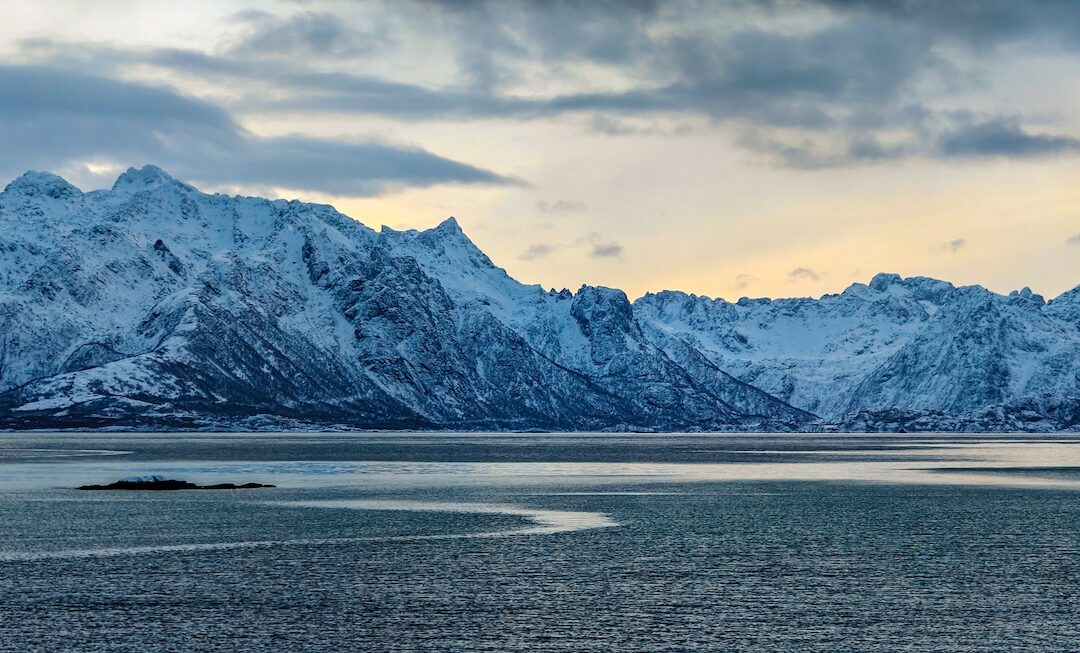
How can physiotherapists contribute to meaningful aging through outdoor activities? And what happens to professional identity when physiotherapists move beyond the clinic and into nature? These were some of the key questions we sought to explore in our project on outdoor rehabilitation for community-dwelling older adults.
Why outdoor rehabilitation?
The health benefits of outdoor activities are well-documented. For older adults, spending time outdoors can enhance physical function, reduce loneliness, and improve mental well-being (Astell-Burt et al., 2022; Jennings & Bamkole, 2019; Nguyen et al., 2023). Yet, despite this evidence, rehabilitation efforts often remain confined to indoor environments, even when the goal is to improve outdoor participation.
To address this gap, we launched a co-creation project in 2021 in three municipalities in Northern Norway (Eliassen et al., 2026). Our aim was to integrate outdoor rehabilitation into municipal reablement services, a person-centered and interdisciplinary approach designed to improve function and independence while reducing the need for healthcare services. By incorporating outdoor activities, we sought to promote meaningful aging and sustainable health outcomes for older adults.
However, changes do not come without challenges, and we were interested in how physiotherapists experienced their professional identity when moving their practices into nature. Using the sociologist Elliot Freidson’s theory of professionalism (Freidson, 1999) as a framework, we analyzed physiotherapists’ experiences of their roles and professional identity in outdoor rehabilitation.
Our analysis revealed two contrasting themes that highlight the dual nature of physiotherapists’ roles in outdoor rehabilitation: Catalyst for Meaningful Activities and Generalist Role with an Unclear Professional Mandate.
Marianne Eliassen (PT, PhD)
Associate Professor
Marianne Eliassen is Associate Professor at UiT The Arctic University of Norway. and Head of the Master’s degree program in Health Professional Development. Her research interests include health services research, often with a focus on the Arctic contexts and their particular social and environmental challenges.
Catalyst for meaningful activities
Physiotherapists described themselves as catalysts for participation in meaningful activities in meaningful places. By facilitating outdoor activities, they were able to support not only physical function but also identity-building and social connection. Facilitating meaningful activities outdoors was seen as a way of enhancing both physical ability and a sense of personal fulfillment.
The physiotherapists emphasized that outdoor activities had the potential to create lasting benefits by motivating participants to maintain their activity levels over time. They also highlighted the cultural and emotional significance of nature, particularly in rural Northern Norway, where outdoor environments are deeply tied to identity and community.
Generalist role with unclear professional mandate
Despite recognizing the value of outdoor rehabilitation, physiotherapists expressed ambivalence about their role in this context. Transitioning from specialized, clinic-based treatment to a broader, more generalist approach in outdoor settings challenged their sense of professional identity. The physiotherapists questioned what their unique contribution was in, what they categorized as simplified approaches, such as hiking, gardening or recreational activities.
This generalization of tasks was perceived to blurring the professional boundaries and raised concerns about role clarity and resource efficiency. Physiotherapists reflected on the challenge of balancing their specialized expertise with the broader demands of outdoor rehabilitation, with some asking, “What happened to the physiotherapy?”
Professional identity in transition
Our findings suggest that physiotherapists are uniquely positioned to promote meaningful aging through outdoor rehabilitation. By leveraging the interplay between individuals and their environments, they can enhance physical function, foster identity-building, and encourage social participation. However, the shift to outdoor rehabilitation also challenges traditional professional roles and raises important questions about the future of physiotherapy.
From an environmental physiotherapy perspective, this project underscores how physiotherapists can be important agents of integrating natural environments into rehabilitation practices. Outdoor settings not only provide opportunities for physical activity but also serve as spaces for connection, identity, and well-being. By stepping outside the clinic and into nature, physiotherapists can expand their professional repertoire in ways that not only benefit their patients but also contribute to a more sustainable and holistic approach to healthcare. This aligns with the broader goals of environmental physiotherapy, which seeks to explore the interconnections between health, environment, and sustainable practices.
However, this project also shows us that outdoor practices challenge professional identity among physiotherapists, which also has been documented by others (Hartley et al., 2023; Madsen, Handberg, et al., 2021; Madsen, Nielsen, et al., 2021). This may indicate that some physiotherapists’ perceive their professional boundaries as too narrow for including alternative therapeutic practices. This reveals a need for a stronger theoretical foundation to support physiotherapists’ roles in this emerging field.
Future work should focus on developing frameworks that clarify the unique contributions of physiotherapists in outdoor settings and promote discussions in how physiotherapists can contribute with their professional knowledge and skills to such practices. discussions on how physiotherapists can contribute to such practices with their professional knowledge and skills.
Read the full article here
Eliassen, M., Hartviksen, T. A., Holm, S. & Zingmark, M. (2026). “What Happened to Physiotherapy?” The Role of Physiotherapists in Outdoor Rehabilitation for Community-Dwelling Older Adults. Fysioterapeuten. https://www.fysioterapeuten.no/fagfellevurdert-fysioterapi-hverdagsrehabilitering/hvor-ble-det-av-fysioterapien-fysioterapeuters-rolle-i-uterehabilitering-for-eldre-hjemmeboende-personer-en-intervjustudie/164954
References
Header image by Martin Eliassen
Astell-Burt, T., Hartig, T., Putra, I. G. N. E., Walsan, R., Dendup, T., & Feng, X. (2022). Green space and loneliness: A systematic review with theoretical and methodological guidance for future research. Science of the total environment, 847, 157521.
Eliassen, M., Hartviksen, T. A., & Zingmark, M. (2026). “What Happened to Physiotherapy?” The Role of Physiotherapists in Outdoor Rehabilitation for Community-Dwelling Older Adults. Fysioterapeuten, https://www.fysioterapeuten.no/fagfellevurdert-fysioterapi-hverdagsrehabilitering/hvor-ble-det-av-fysioterapien-fysioterapeuters-rolle-i-uterehabilitering-for-eldre-hjemmeboende-personer-en-intervjustudie/164954.
Freidson, E. (1999). Theory of professionalism: Method and substance. International review of sociology, 9(1), 117-129.
Hartley, S. E., Ryad, H., & Yeowell, G. (2023). Future-proofing the Profession: Physiotherapists’ perceptions of their current and emerging role. Physiotherapy, 119, 72-79.
Jennings, V., & Bamkole, O. (2019). The relationship between social cohesion and urban green space: An avenue for health promotion. International Journal of Environmental Research and Public Health, 16(3), 452.
Madsen, L. S., Handberg, C., Jensen, C. M., & Nielsen, C. V. (2021). Community-based rehabilitation approaches in outdoor settings: a systematic review of people with disabilities’ and professionals’ experiences and perceptions. Disability & Society, 36(7), 1073-1098.
Madsen, L. S., Nielsen, C. V., Oliffe, J. L., & Handberg, C. (2021). Navigating a Middle Ground-Exploring Health Professionals’ Experiences and Perceptions of Providing Rehabilitation in Outdoor Community Settings. Qualitative health research, 31(1), 41-53.
Nguyen, P.-Y., Astell-Burt, T., Rahimi-Ardabili, H., & Feng, X. (2023). Effect of nature prescriptions on cardiometabolic and mental health, and physical activity: a systematic review. The Lancet Planetary Health, 7(4), e313-e328.