
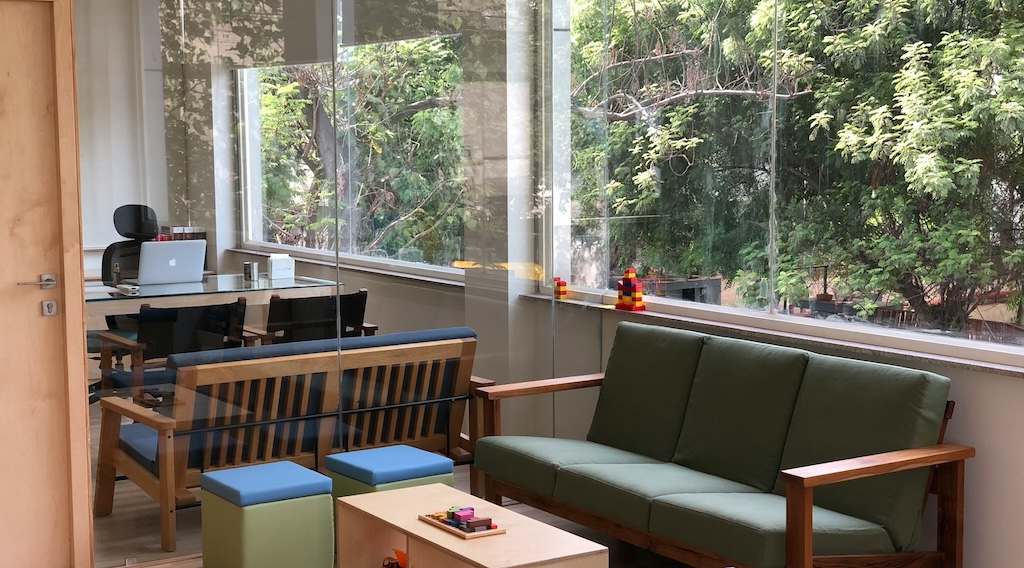
The Environmental Physiotherapy Association highlights a recently published article in the Health Environments Research & Design (HERD) Journal that brings fresh evidence to the intersection of physiotherapy and clinical space design. Titled “Evidence-Based Design of Physiotherapy Clinics for Optimized Recovery”, this work by Srishti Banerjee presents a concise synthesis of research showing how elements of the built environment can influence recovery outcomes in outpatient rehabilitation settings.
Physiotherapy patients engage intensely with clinic spaces over weeks or months, and this article argues that decisions about lighting, colour, acoustics, natural elements, and ergonomics are more than aesthetic choices—they are measurable contributors to patient engagement, stress modulation, motor learning, and even treatment adherence. The design of physical spaces also impacts physiotherapists themselves, with supportive environments shown to mitigate strain and enhance wellbeing. By framing physiotherapy clinics as healing environments, the article aligns with the core principles of environmental physiotherapy. It invites clinicians, administrators, and designers to reconsider how spatial quality, sensory experience, and environmental support can work alongside therapeutic interventions to optimise recovery.
Read the full publication here:
Banerjee S. (2025). Evidence-Based Design of Physiotherapy Clinics for Optimized Recovery. Health Environments Research & Design Journal (HERD). https://doi.org/10.1177/19375867251391279
Header image by Gautam Arora on Unsplash

Srishti Banerjee
Assistant Professor
Srishti Banerjee is an Assistant professor at L.J institute of physiotherapy and a member of the EPA executive committee. Her research interests include pathology in rare neurological manifestations and Rehabilitation strategies for neurological disorders.