
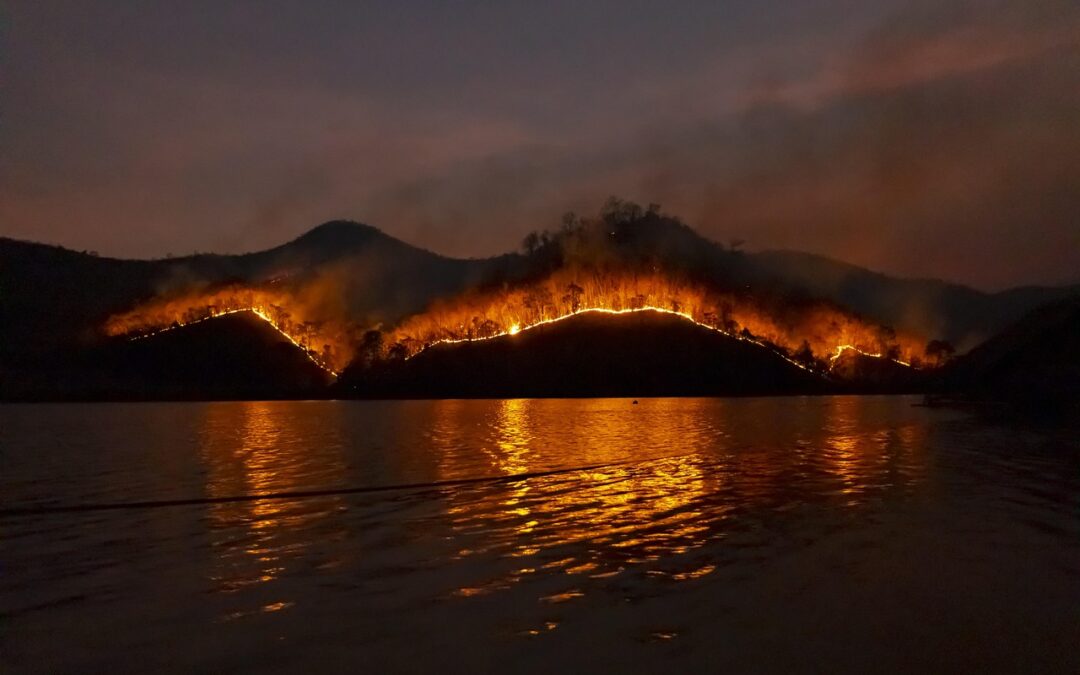
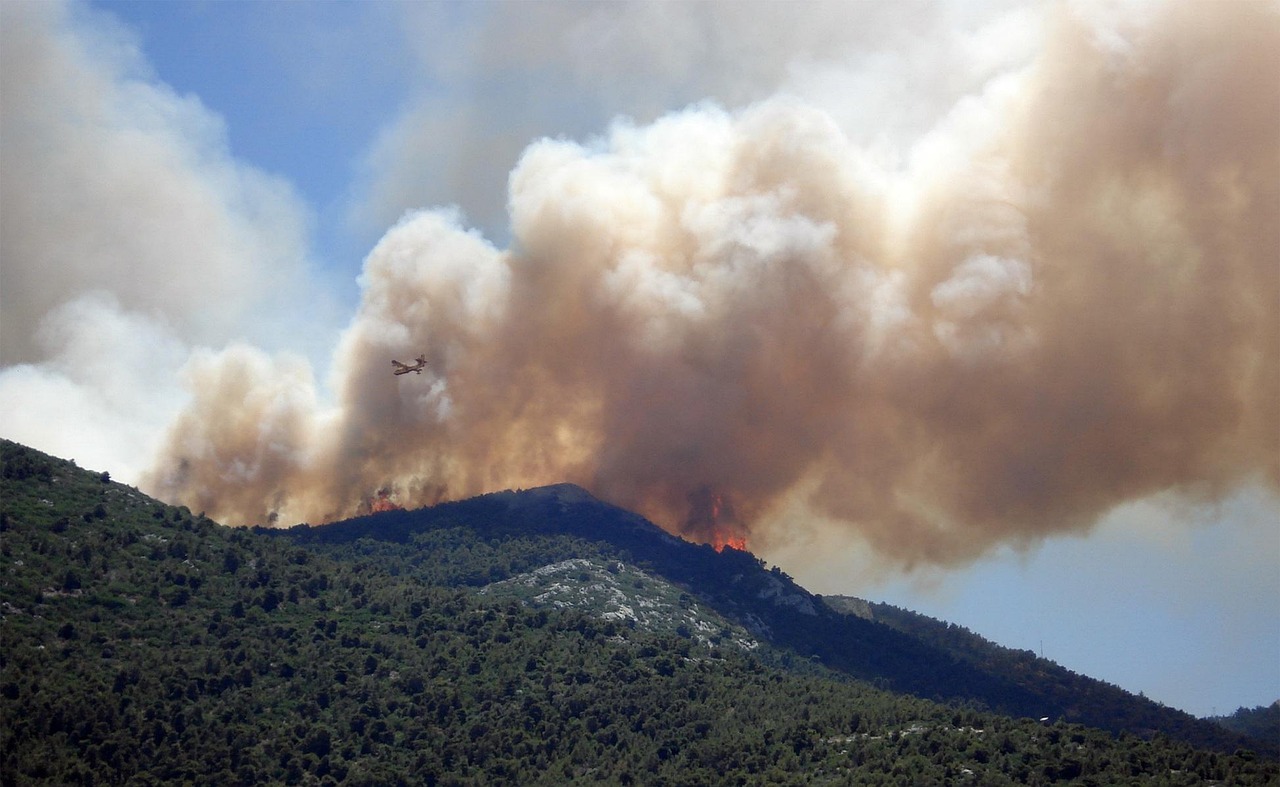
The 2023 wildfire season in Canada was the most destructive on record, burning over 15 million hectares —more than double the previous record. This rise in wildfire frequency and intensity poses significant challenges to public health and the entire healthcare system. Wildfire smoke is a mix of particulate matter, carbon monoxide, and other volatile compounds. In fact, it is considered 10 times more toxic and harmful than any other kind of pollution. Exposure to wildfire smoke triggers a cascade of local and systemic responses, including inflammation, oxidative stress, and immune dysregulation. Wildfire smoke damages and inflames airways, aggravating lung conditions like asthma and COPD. It’s linked to cancer, poor mental health, and poor birth outcomes. Because of how harsh wildfire smoke interacts with cardiovascular conditions, Canada has seen a rise in ambulance calls, emergency hospital visits, hospitalizations, physician visits and deaths during and after wildfire seasons.
For physical therapists, the unpredictable nature and rapid spread of wildfires highlight the need to re-evaluate how to prescribe exercise therapy, manage potentially smoky outdoor exercise sessions, and ensure a safe clinic environment. Physical therapists are frontline care providers who care for those most at risk. They are positioned to act as environmental health advocates and address the negative health effects of wildfire smoke exposure through preventative and rehabilitative strategies. We recently published a Viewpoint in the Journal of Orthopaedic & Sports Physical Therapy discussing this issue (Petry Moecke et al., 2025). Below are the main highlights.
The PT’s Role: Mitigating Wildfire Smoke Exposure during Wildfire Events
Adapting Assessment Practices
Heightened vigilance is critical for detecting subtle physiological changes that signal cardiorespiratory distress, especially during therapeutic exercise. Physical therapists should initiate a targeted screening approach during smoke events. This begins with identifying at-risk groups—those with young or older age, pregnancy, prior medical conditions (e.g., asthma, COPD), or potential high exposure (e.g., outdoor athletes, firefighters). Furthermore, clinicians should monitor for signs of respiratory distress (increased respiratory rate, wheezing, dyspnea, cough, and oxygen desaturation) and cardiovascular distress (tachycardia, arrhythmia, and chest pain). Finally, check for other symptoms like headaches, dizziness, nausea, fatigue, and ear, nose, or throat irritation. Early detection of these signs and symptoms can prompt timely intervention and prevent the development of more serious complications.

Pat Camp, PT, PhD
Associate Professor in the Department of Physical Therapy at the University of British Columbia
Dr Camp’s research is focused on three main themes: 1) Indigenous lung health; 2) respiratory-related health services delivery (diagnosis and treatment), and 3) pulmonary rehabilitation. She has expertise in community-based research methods, implementation science, and mixed methods research. Dr Camp is a member of the Pulmonary Rehabilitation Research Laboratory at UBC.
Saiho. (2016). Wildfire, Fire, Smoke image. Pixabay. https://pixabay.com/photos/wildfire-fire-smoke-flame-1826204/
Modifying Therapeutic Exercise
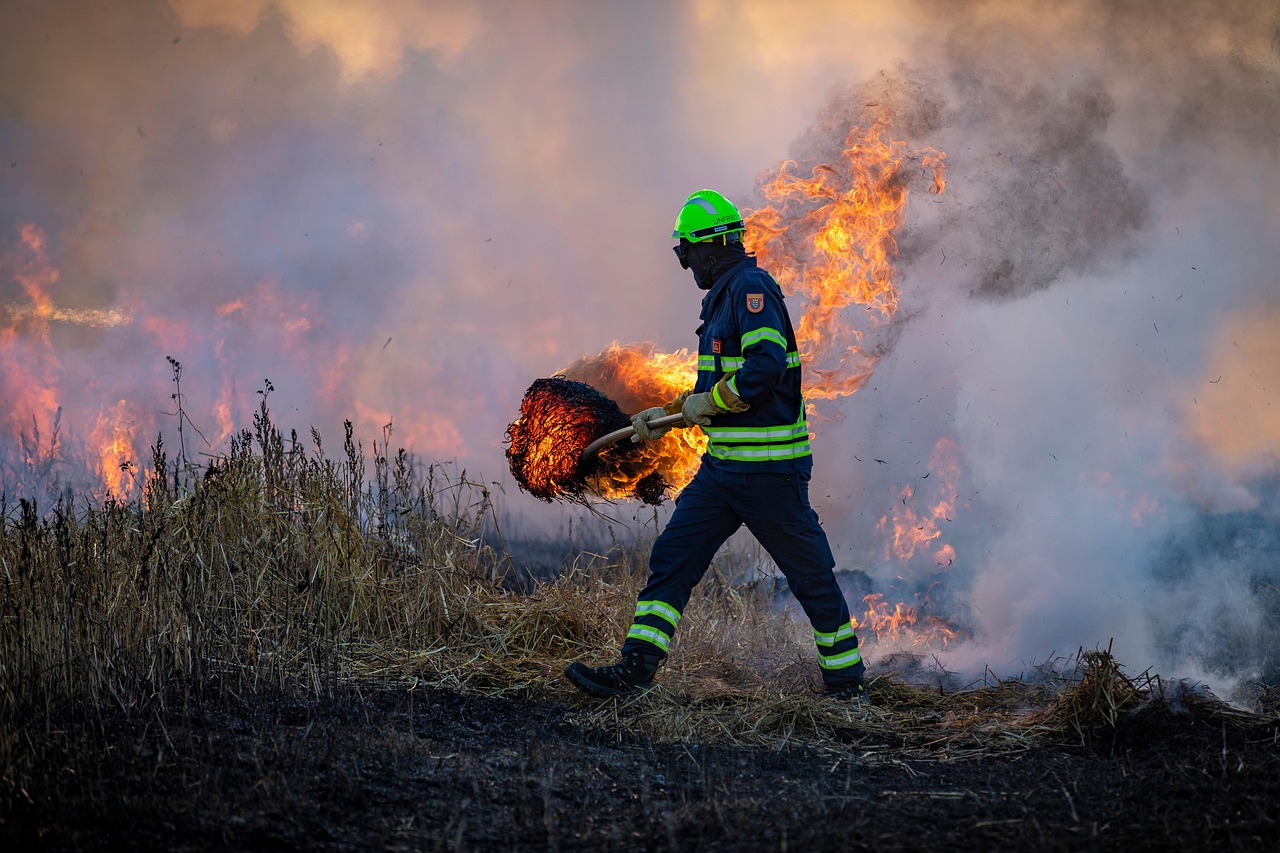
Outdoor exercise during smoke events is problematic because exercise increases tidal volume and minute ventilation, allowing more fine particulate matter (PM2.5) into the lungs. Clinicians should therefore monitor outdoor air quality in real time using systems such as the Air Quality Health Index (AQHI) to assess daily risk. Based on this, it is crucial to reduce or avoid strenuous outdoor exercise (testing and training) during poor air quality. Keep in mind that just one hour of high-intensity outdoor activity can result in particle deposition comparable to 10 hours of exposure at rest. Choosing indoor alternatives that provide adequate air filtration, such as indoor gyms, may be a good option. For patients who must go outdoors, recommending well-fitting high-efficiency face masks is important, especially for those with pre-existing cardiorespiratory conditions. Finally, to maintain a clean indoor air space in your clinic, use sensors to monitor indoor air quality and aim to keep PM2.5 levels below 12μg/m3. This involves keeping windows and doors closed, using HVAC systems in recirculation mode, and utilizing portable air cleaners with HEPA filters; also, ensure exercise spaces are not overcrowded.
Fish96. (2021). Fire, field, firefighter image. Pixabay. https://pixabay.com/photos/fire-field-firefighter-firefighting-6706674/
Clinic Level Policy Changes
Beyond direct patient care, physical therapists should advocate for and enforce clinic-level policy changes and engage in disaster preparedness training. Clinics should be lenient on cancellation policies during smoke events so patients don’t risk exposure to keep their appointments. To ensure continuity of care, considering telehealth as an alternative during smoke events can be highly beneficial. Furthermore, engage in emergency planning by addressing questions about how care may be disrupted, what to do in the event of a surge in patients or staff shortages, and how to support evacuees. Finally, foster a community of practice to share solutions and responses with other sites, benefiting the broader population.
Ultimately, Canadian wildfires will continue to increase in frequency and severity, which is becoming the new normal. This means that healthcare practices need to adapt too. By embracing the suggested strategies, physical therapists can proactively contribute to improved health system response and patient well-being during wildfire events.
References
Header image by Sippakorn. (2020). Wildfire, bushfire, nature image. Pixabay. https://pixabay.com/photos/wildfire-bushfire-fire-forest-4755030/
Petry Moecke, D., Gray, B., Doyle, H., Ensor, N., & Camp, P. G. (2025). Wildfire Smoke and Its Impact on Your Physical Therapy Practice. Journal of Orthopaedic & Sports Physical Therapy, 55(11), 690–694. https://doi.org/10.2519/jospt.2025.13546
AI Declaration
Artificial intelligence (AI) has not been used to generate any content for this blog post.
Thank you, Dr. Camp, for succinctly summarizing why and how physios can incorporate wildfire-related aspects of environment-informed care into clinical practice. I will share the link to your EPA article within the Environmental Physical Therapy Catalyst Group, a part of APTA’s Academy of Leadership & Innovation, and also in other communications. Your article gave me the extra nudge I needed to follow up with ORCHA / APTA’s digital health library regarding its current lack of apps supporting patient education regarding air quality and/or heat health safety adaptations.