
by Marianne Eliassen | Mar 27, 2026 | Environmental Physiotherapy, Nature-based interventions
How can physiotherapists contribute to meaningful aging through outdoor activities? And what happens to professional identity when physiotherapists move beyond the clinic and into nature? These were some of the key questions we sought to explore in our project on...
by Jessica Stanhope | Mar 26, 2026 | Environmental Physiotherapy, Nature-based interventions
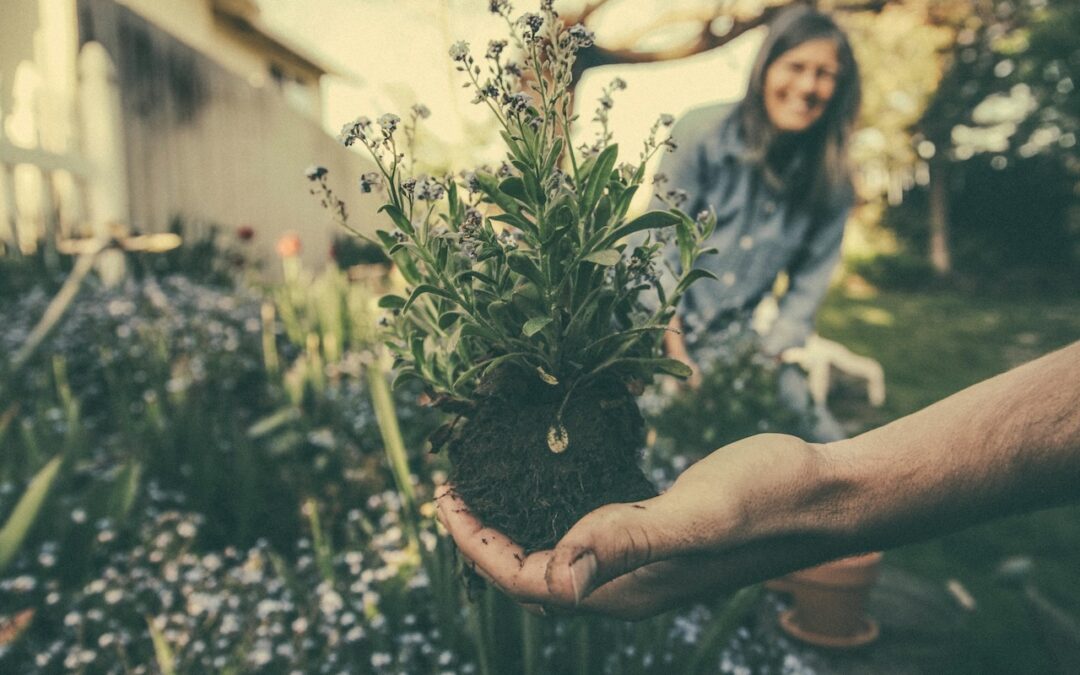
Ever wonder how other allied health professionals are integrating nature-based approaches into their practice? We conducted a survey of allied health professionals in Australia who were interested in nature-based approaches to find out what they were doing, what...

by Shawn Rundell | Mar 24, 2026 | Disability, Environmental Physiotherapy, Nature-based interventions
Playing in and gaining exposure to nature improves child health and well-being, healthy child development, and academic performance, and encourages children to be stewards of the environment. Children with disabilities often have difficulty accessing nature for a...

by Emma Swärdh | Mar 2, 2026 | Advocacy, Environmental Physiotherapy, Physiotherapy Education, Planetary Health
In my role as a lecturer in the physiotherapy programme at Karolinska Institutet in Sweden, I have spent some years working at the intersection of planetary health, environmental physiotherapy, and sustainable healthcare. As the teacher responsible for these topics...
by Andrea Ribeiro | Mar 2, 2026 | Environmental Physiotherapy, Events, Policy development
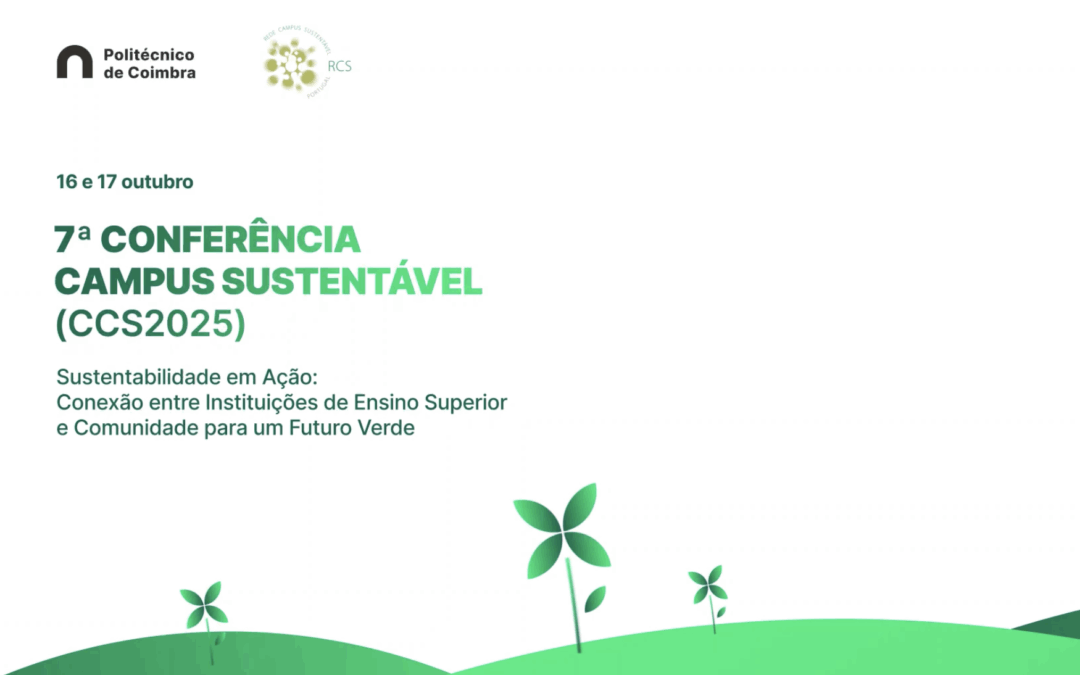
At the recent 7ª Conferência Campus Sustentável (CCS2025), a Sustainability Congress held in Coimbra, Portugal, I was pleased to share two initiatives reflecting EPA’s mission: integrating environmental and planetary health across physiotherapy education and...
by Freya Mizen | Feb 20, 2026 | Art and Planetary Health, Environmental Physiotherapy
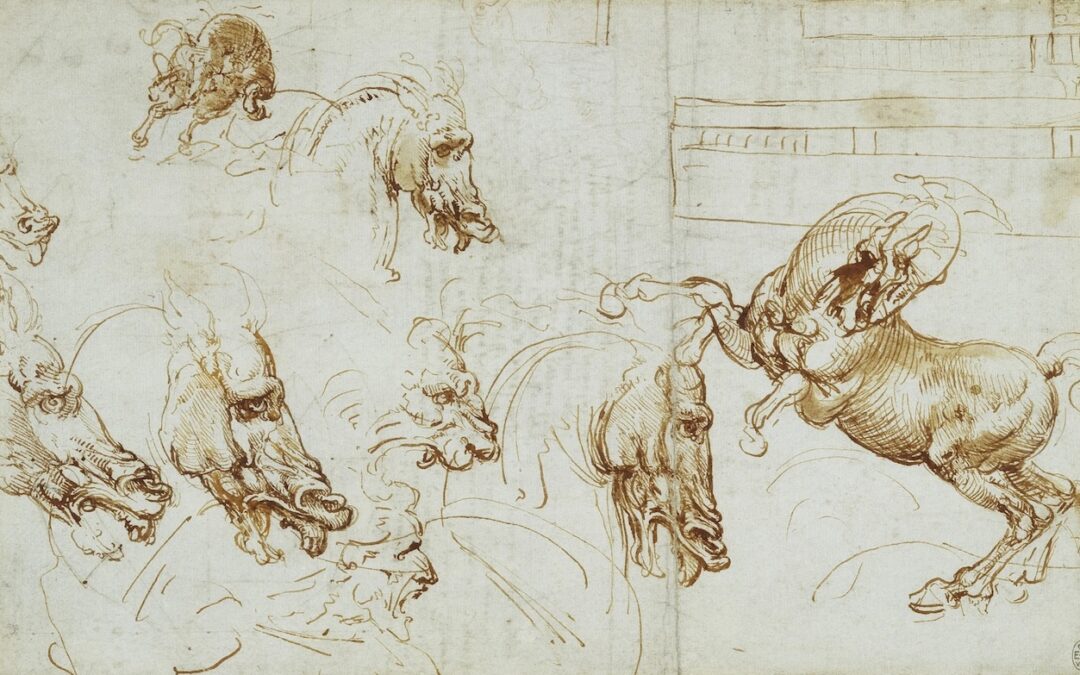
Artists and scientists both observe and interpret the world, but they do so through different epistemologies. While these disciplines are distinct, encounters between them can generate new forms of understanding (Zhu & Goyal, 2018). Edwards (2009), a Harvard...
