
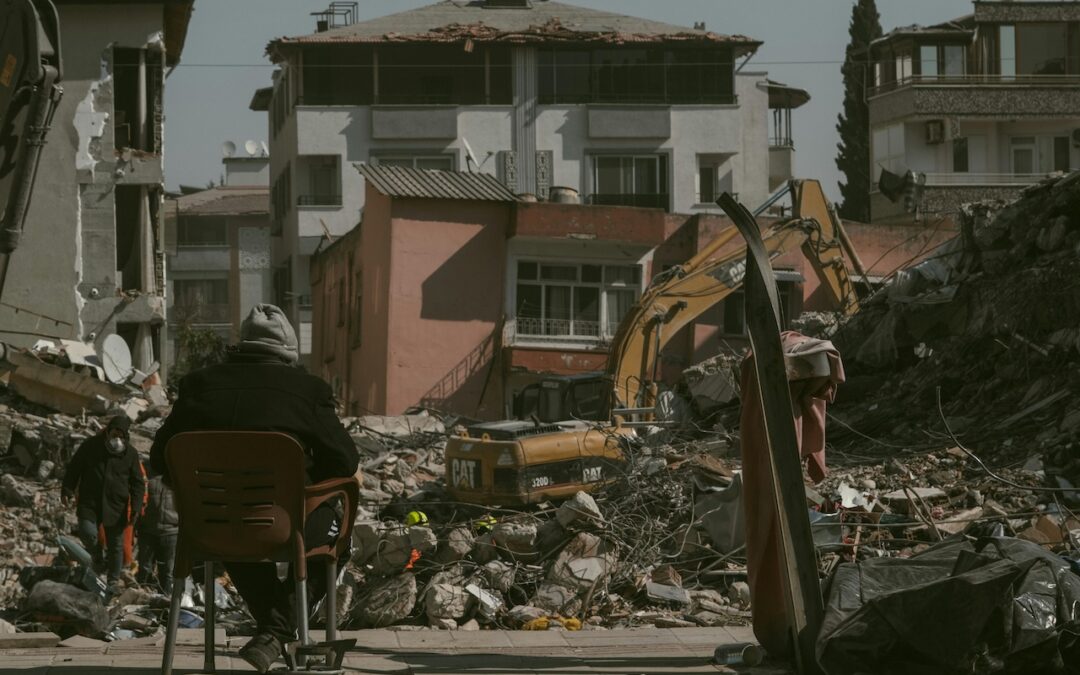
When a wildfire rages or an earthquake strikes, most of us picture the visible damage—collapsed buildings, flooded streets, and families forced to leave their homes. But there is another, quieter reality that often goes unnoticed. What happens to someone who cannot fully understand what is happening around them? For older adults living with dementia, natural disasters are not just disruptive events. They can be deeply confusing, frightening, and, in many cases, life-threatening in ways that are easy to overlook.
Dementia affects how people perceive and respond to the world. In everyday life, this might mean forgetting names or losing track of time. In a disaster, however, it can mean something far more serious failing to recognize danger altogether. During extreme heat, for example, a person with dementia may not realize they are dehydrated or that the temperature is unsafe. This reduced awareness, combined with the effects of certain medications, can make heatwaves particularly dangerous, increasing the risk of cognitive deterioration, hospitalization, and even death.
Natural disasters can significantly worsen the behavioral and psychological symptoms of dementia. Sudden changes in the environment, loud noises, and the visible distress of others can create a sense of chaos that is difficult to process. Someone with dementia may not understand why people are rushing, why their surroundings have changed, or why they are being asked to leave their home. Instead, they may experience heightened confusion, anxiety, or agitation.
Evacuation, while necessary, can make this even harder. Being moved to an unfamiliar place, whether a shelter or temporary housing, disrupts the routines that many people with dementia rely on to feel safe. Familiar faces may be missing, daily schedules may change, and access to regular care may be interrupted. These disruptions can quickly lead to a decline in their cognitive abilities as well as increasing behavioral and psychological symptoms of dementia.
Christina Fahmy (PT, MSc)
Global Health and Rehabilitation Professional
Dynamic global health professional with extensive experience in the healthcare sector. Passionate about leveraging evidence, data, and cross-sector collaboration to design and manage impactful global health initiatives. Skilled in data analysis, research synthesis, and digital tools, with a strong foundation in policy translation and stakeholder engagement. Committed to contributing to innovative solutions that improve population health outcomes worldwide.
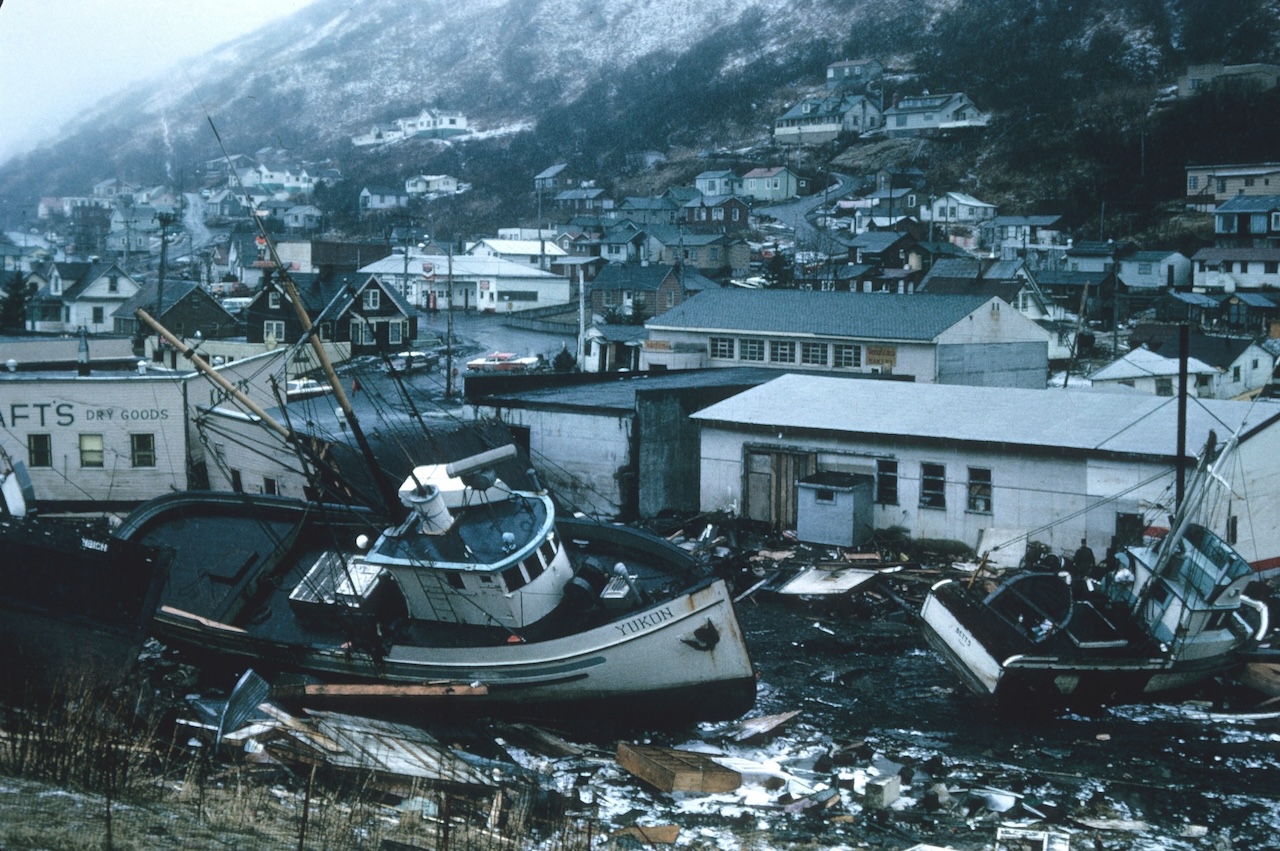
Yet, despite these challenges, there are meaningful ways to reduce harm and better support this vulnerable population.
At the center of any effective response are caregivers. Whether they are family members or healthcare professionals, caregivers play a critical role in guiding individuals with dementia through moments of crisis. When caregivers are prepared; when they know how to communicate calmly, recognize signs of distress, and respond to sudden changes. They can help prevent situations from escalating. Their presence can provide reassurance in moments that might otherwise feel overwhelming.
Familiarity also becomes incredibly important during disasters. Even small efforts to maintain routine can make a difference. Keeping personal belongings nearby, preserving regular meals and medication times, or ensuring continuity in caregiving can help create a sense of stability. For someone with dementia, these familiar elements are not just comforting, they are essential.
Social connection is another powerful, and often underestimated, form of protection. Older adults with dementia who remain socially engaged after a disaster tend to cope better and maintain their cognitive functioning for longer. In contrast, isolation can accelerate decline. This is where communities matter. Checking on vulnerable neighbours, supporting families, and maintaining social ties can all play a role in reducing risk.

Photo by Laurynas Me on Unsplash
Environmental factors, particularly heat, are also becoming increasingly important. As temperatures rise globally, heatwaves are emerging as a major threat to older adults with dementia. Simple measures such as encouraging hydration, ensuring access to cooling, and increasing awareness among caregivers can have a significant impact. At a broader level, access to shaded areas and green spaces can also help reduce exposure to extreme heat.
Preparation, however, remains one of the most effective tools we have. Having a clear, personalized emergency plan can reduce confusion and save valuable time during a crisis. Knowing what medications are needed, who to contact, and how to evacuate safely can make an overwhelming situation more manageable. Just as importantly, ensuring that healthcare services remain accessible after a disaster is critical, as interruptions in care can quickly lead to deterioration.
As the effects of climate change continue to unfold, natural disasters are becoming more frequent and more intense. At the same time, the number of people living with dementia is steadily increasing. This intersection creates a growing challenge—one that cannot be addressed with a one-size-fits-all approach.
Protecting people with dementia during disasters is not only about emergency response. It is about understanding their unique needs and recognizing that they experience these events differently. It is about building systems that are inclusive, responsive, and grounded in compassion. Because in the middle of chaos, those who are most vulnerable are often the ones who need the most clarity, support, and care. And ensuring they are not left behind is a responsibility we all share.
AI declaration
I used AI for proofreading the content.
References
Fahmy, C., & Alme, M. N. (2026). Effects of natural disasters on the cognitive state of older adults with dementia: a scoping review. European Geriatric Medicine. https://doi.org/10.1007/s41999-026-01459-1
Header image from https://www.pexels.com/photo/destroyed-buildings-after-earthquake-15861617/