
We know that physical activity is good for us. Moving more can prevent disease, support mental health and wellbeing, and help us stay healthy across the life course. Promoting physical activity is therefore central to public health and to the work of many health professionals, including physiotherapists. The message seems straightforward: help people move more to improve health. But in times of climate change and increasing environmental degradation, is improving human health enough?
A Planetary Health perspective reminds us that human health cannot be separated from the natural systems on which we depend. Rising temperatures, air pollution, biodiversity loss and changing environments affect where, when and how people can be active. At the same time, how we move – and how we enable movement – can itself have environmental consequences (WBGU, 2023).
This raises a question that is becoming increasingly difficult to ignore: Should physical activity promotion aim not only to improve human health, but also to contribute to planetary health?
From HEPA to PHEPA
Physical activity promotion has traditionally been guided by the concept of Health-Enhancing Physical Activity (HEPA), focusing primarily on the benefits of physical activity for individual and population health. Planetary Health-Enhancing Physical Activity (PHEPA) broadens this perspective by considering potential benefits for both human and planetary health (Abu-Omar et al., 2023).
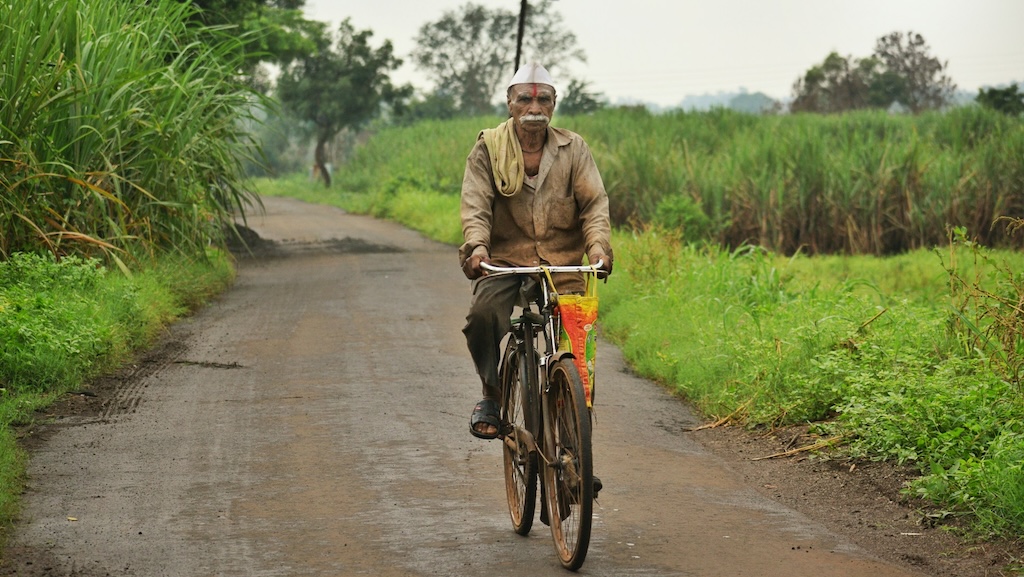
Active mobility is an intuitive example: walking or cycling can increase physical activity while reducing reliance on motorised transport. Accessible green spaces can support physical activity while contributing to climate adaptation.
Yet not every form of physical activity is environmentally sustainable. How we travel to participate, the infrastructure we use and the resources activities require all have environmental consequences. This raises an ethical question: If we promote physical activity because it benefits our health, should we also consider its environmental consequences – and who ultimately bears them?

Katja Siefken (PhD)
Professor in Physical Activity and Health, Medical School Hamburg University of Applied Sciences
Katja Siefken is a Professor of Physical Activity and Health, with a particular interest in physical activity policy, health promotion and Planetary Health. Her work explores how physical activity can be promoted through policies and environments that support both human and planetary health.

Photo by Ryan Searle on Unsplash
Moving beyond individual behaviour
Physical activity is still often discussed as an individual behaviour: How can we motivate people to move more? What can health professionals do to encourage change?
But whether someone can cycle to work, be active in a nearby park or safely exercise during a heatwave depends on much more than motivation. Infrastructure, green spaces, urban design and environmental conditions shape opportunities to be active.
This is why policy matters
Our recent global analysis highlights a paradox: countries have made considerable progress in adopting physical activity policies, yet physical activity levels remain low. Physical activity policy remains dominated by health-centric approaches, while wider benefits receive less attention, leadership across sectors remains unclear, and multisectoral partnerships are limited (Ramirez-Varela et al., 2026). Planetary Health can broaden this perspective by connecting physical activity with the environmental and social systems that shape health. We need to move further upstream: creating environments and systems that make movement safe, accessible and attractive requires collaboration across health, transport, urban planning, environmental policy and other sectors.
A critical engagement with Planetary Health also requires us to ask whose knowledge and values shape our understanding of health. Indigenous Knowledge Systems have long recognised the interconnectedness of human, community and ecological health. Māori perspectives, for example, emphasise relationships between wellbeing, whānau (family and community) and whenua (land) (Redvers et al., 2022). Such perspectives challenge us to move beyond a predominantly human-centred view of health and recognise health as relational – connecting people, communities and the natural world.
For physical activity policy, the implication is clear: policy should not simply aim to make people more active; it also shapes where, how and under what environmental conditions people move.

Photo by Godspower Abdulahi on Unsplash
But are current physical activity policies doing this?
Our recent study examined national physical activity guidelines, strategies and policy documents from Germany, Austria and Switzerland through a Planetary Health lens (Moriz et al., 2026). We found promising starting points – but considerable room for development. Policies addressed active mobility, walking and cycling infrastructure, green spaces, nature-based physical activity and climate adaptation. Yet these environmental dimensions remained secondary to a predominantly health-oriented framing.
Austria showed the most systematic integration of health, environmental and climate objectives, particularly through active mobility and sustainable transport. Germany addressed active mobility and climate-related aspects but remained predominantly focused on human health. Switzerland emphasised infrastructure and green spaces, while their environmental relevance often remained implicit.
Many building blocks are therefore already present. What is missing is the explicit connection between them.
Physical activity recommendations can do more
A Planetary Health perspective invites a broader, more relational understanding of health. Physical activity recommendations could consider not only the health benefits of movement, but also how movement is enabled and its wider social and environmental consequences.
For physiotherapists and other health and movement professionals, this broadens how physical activity can be considered and promoted – connecting opportunities for walking, cycling and nature-based activity with the environments that enable them.
But responsibility cannot rest with individuals. Encouraging people to walk, cycle or exercise outdoors has limited value without safe infrastructure, accessible green spaces and protection from heat and air pollution. Creating healthy and sustainable opportunities for movement requires action beyond individual behaviour change.

Photo by Austin Ban on Unsplash
Toward healthier people on a healthier planet
Physical activity promotion has traditionally asked: How can we help people move more?
Planetary Health broadens this question: How can we help people move in ways that are healthy, equitable and environmentally sustainable?
Moving from HEPA towards PHEPA means looking beyond individual behaviour and human health alone – towards the systems that shape how we move and the interconnected health of people and planet.
Ultimately, Planetary Health should not be an additional perspective, but become naturally embedded in how we research, recommend and promote physical activity.
Because our health depends on a healthy planet – and how we move can help shape the health of that planet in return.
References
Header image by Yogesh Kulkarni on Unsplash
Abu-Omar, K., Chevance, G., Tcymbal, A., Gelius, P., & Messing, S. (2023). Physical activity promotion, human and planetary health – a conceptual framework and suggested research priorities. The Journal of Climate Change and Health, 13, 100262. https://doi.org/10.1016/j.joclim.2023.100262
Moriz, M., Abu-Omar, K., & Siefken, K. (2026). Planetare Gesundheit in der Bewegungspolitik: Planetary health in physical activity policy documents: A qualitative analysis of national guidelines and strategy documents from Germany, Austria and Switzerland. German Journal of Exercise and Sport Research. https://doi.org/10.1007/s12662-026-01112-w
Ramírez Varela, A., Bauman, A., Woods, C. B., Shawar, Y. R., Hallal, P. C., Salvo, D., Siefken, K., Wendel-Vos, W., Miranda, J. J., Mejía-Grueso, J., Sallis, J. F., Hinckson, E., Lee, I.-M., Reis, R. S., Ding, D., Ekelund, U., Kohl Iii, H. W., Shiffman, J., & Pratt, M. (2026). Low global physical activity despite two decades of policy progress. Nature Health, 1(3), 338–354. https://doi.org/10.1038/s44360-025-00044-3
Redvers, N., Celidwen, Y., Schultz, C., Horn, O., Githaiga, C., Vera, M., Perdrisat, M., Mad Plume, L., Kobei, D., Kain, M. C., Poelina, A., Rojas, J. N., & Blondin, B. (2022). The determinants of planetary health: an Indigenous consensus perspective. The Lancet Planetary Health, 6(2), e156–e163. https://doi.org/10.1016/s2542-5196(21)00354-5
WBGU – German Advisory Council on Global Change. (2023). Healthy living on a healthy planet. Berlin.
AI statement
Generative AI was used to support language editing, improve clarity and readability, and condense parts of this blog post. The author developed the content, arguments, interpretation of the literature, and overall conceptual framing and reviewed and revised the final text.