

Nature-based therapies in the alpine terrain of Austria
Written by Julia Kersche, Julia Golser, Valentýna Mikutová, Jana Gahleitner, Antonia Köberlein, Markus Bräutigam
Introduction
Nature-based therapies are becoming increasingly important in modern health promotion. With its unique natural scenery and diverse resources, Austria’s alpine terrain in particular offers ideal conditions for testing and scientifically investigating innovative therapeutic approaches. Univ.-Doz. Dr. Arnulf Hartl, Head of the Institute of Ecomedicine at Paracelsus Medical University Salzburg, and his team are researching how nature therapies can promote health and well-being. The results of studies to date show that physical activity in alpine nature is associated with a lower level of psychological stress – even though psychological problems can also occur in active mountain sports enthusiasts (Niedermeier et al., 2017).
It is particularly noteworthy that emotional well-being improves significantly more when hiking in the mountains outdoors than when exercising indoors (Niedermeier et al., 2017). In addition, alpine natural resources such as forests, waterfalls and high altitudes have a positive effect on both physical and mental health. Such nature therapies could be particularly helpful in cases of stress or chronic illness (Hartl et al., 2023). A biopsychosocial resilience model emphasizes the importance of contact with nature for the ability to adapt to environmental stress (White et al., 2023). Overall, these research findings make it clear that nature therapies can be a useful addition to health promotion and prevention.
Waterfall therapy
A particularly interesting example of the use of natural therapies is the so-called waterfall therapy. By atomizing the water, Alpine waterfalls produce a fine aerosol consisting of ultra-small, negatively charged water droplets – so-called nanoparticles or Lenard ions. Waterfall therapy uses the positive effects of these ionized aerosols. These occur locally in high concentrations and have a potentially positive effect on the immune system and the respiratory tract (Kolarž et al., 2012). Studies on children with allergic asthma have shown that spending time at such a waterfall improves lung function and reduces inflammation in the body. These positive effects even lasted for months after the stay (Gaisberger et al., 2012). In addition, an improved mucosal immune response and a reduction in physiological and psychological stress parameters were demonstrated in adults with increased stress levels after spending time at a waterfall – more so than during a normal stay in nature without a waterfall (Grafenstätter et al., 2017). The studies to date suggest that the special climate at the waterfall can have benefits for the respiratory tract, immune system and well-being in particular. More research is needed to understand exactly how these effects arise and how long they last.
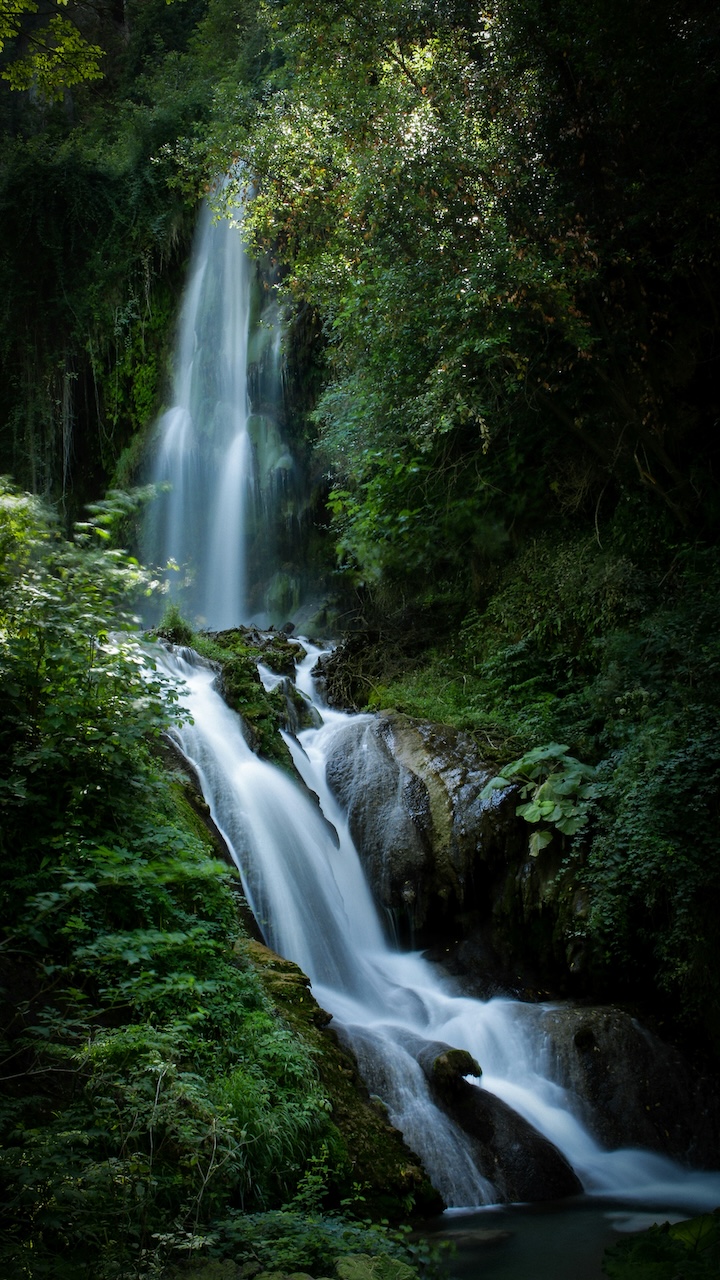
Photo by John Rodenn Castillo on Unsplash
Altitude training
In addition to waterfall therapy, there are other nature-based methods that aim to promote health. A prominent example of this is altitude training, which is mainly used in competitive sports.
An increasing number of athletes and coaches are incorporating altitude training into their training plans. This kind of training influences the aerobic capacity of athletes. One study found that altitude training resulted in higher maximum oxygen uptake and haemoglobin levels than training at lower altitudes. Altitude training, a form of hypoxic training, involves athletes training at high altitudes or being deliberately exposed to artificial hypoxia in a controlled and targeted manner. This type of training is primarily used by endurance athletes to enhance their aerobic capacity. There are several variations, which differ in terms of training and living altitude. The most effective method, cycle or altitude has not yet been fully clarified. However, current guidelines for effective altitude training recommend an altitude of around 2,500 metres for around three weeks (Chen et al., 2023).
The way in which the human body reacts to hypoxia differs depending on gender. For instance, women exhibit different ventilation patterns, resulting in greater expiratory restrictions and a higher risk of iron deficiency. Furthermore, one study cites a potentially higher risk of acute altitude sickness. Nonetheless, several questions remain open for further investigation (Burtscher et al., 2023).
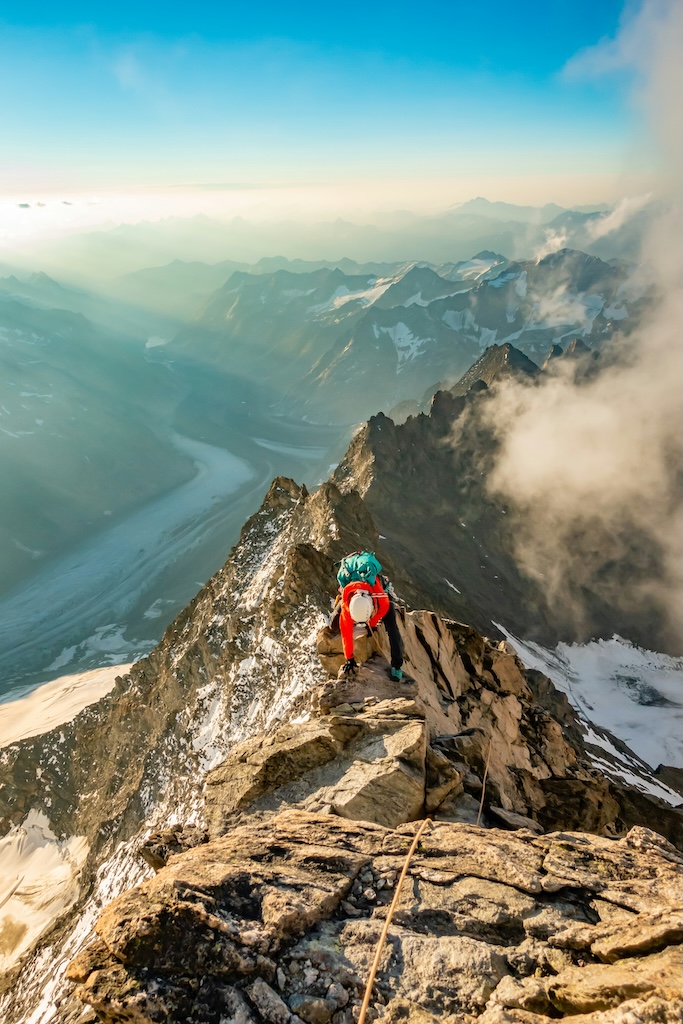
Photo by Sylvain Mauroux on Unsplash
Climbing therapy
Exercise in nature is no longer only used therapeutically in traditional forms. Climbing therapy, also known as therapeutic climbing, is a modern functional therapy which uses movements of the climbing sport. Climbing therapy has its origin in bouldering sport (climbing without a rope in jumping height). In the field of physiotherapy, therapeutic climbing is most often used for patients with orthopedic or neurological symptoms.
By performing targeted movements on a wall using hand grips and kicks in an upright body position, patients must constantly adjust the tension of their body. This places high demands on intra- and intermuscular coordination, perception and mobility. Disadvantageous tension conditions in the muscles should be improved, and disturbed movement sequences reorganized. Furthermore, there is a focus on strengthening certain muscle groups (trunk, arm and leg muscles) and improving postural control (the ability to hold the body upright under the influence of gravity).
Climbing has the advantage of using natural, functional movements that the brain can learn and remember more easily. By “crawling vertically”, automated movement patterns from childhood development can be activated. Other important objectives of therapeutic climbing can be found on a psychosocial level. Climbing is not only fun for many patients, but also helps to reduce anxiety, increases concentration performance, mindfulness and self-esteem.
Climbing therapy is most often offered on indoor therapeutic climbing walls, typically found in climbing centers, bouldering gyms, or physiotherapy practices equipped with their own walls. Nevertheless, some providers also offer outdoor climbing therapy concepts. This especially improves balance, depth and surface sensitivity, spatial perception and body schema in combination with an environmental outdoor experience. (The content of this summary was inspired by information from the websites of Achrainer (n.d.), Edelweiss Klettern (n.d.), Klinik Pirawarth (n.d.), Naturfreunde Österreich (n.d.), and Wikipedia (2024).)
Skiing and ski touring
Not only climbing, but also classic winter sports such as skiing and ski touring offer a wide range of opportunities to promote health and well-being. Alpine skiing and ski touring have gained increasing popularity and are now being studied for their health benefits, particularly on physical and mental well-being.
A study conducted by Blank, C. and Schobersberger, W. closely monitored the effects of ski touring on muscle fatigue in the lower extremities, considering all route data like length and time of the tour as well as the altitude difference (UMIT Tirol, o. J.). Müller et al. studied the long-term effects of skiing on health-related parameters of older individuals. Guided skiing programs at venues like Salzburg Ski Amade have shown that regular skiing sessions over several weeks can be safely monitored for physiological stress, including heart rate and perceived exertion, and show promising benefits for elderly participants (Müller et al., 2011).
Overall, skiing and ski touring in alpine environments provide both physical exercise and mental stimulation in natural settings, which align with the growing demand for health-oriented outdoor activities beyond traditional winter tourism.
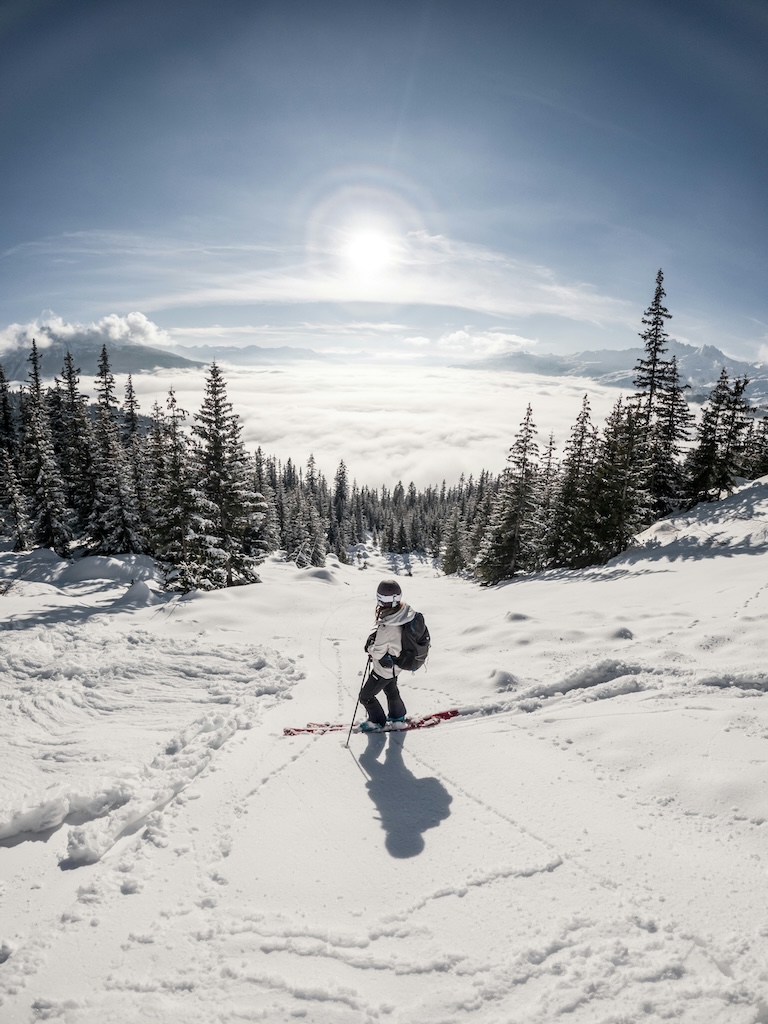
Photo by Tim Arnold on Unsplash
Gasteiner Healing Gallery
The Gastein Healing Gallery is a particularly unusual form of natural alpine therapy. In Böckstein near Bad Gastein, at 1,270 meters above sea level in Salzburg, lies the Gastein Healing Gallery – a unique form of natural therapy. Originally used as a mine, the tunnel has served as a treatment and therapy center for people with chronic illnesses since the 1950s. Today, it is considered one of the most renowned facilities of its kind worldwide.
The therapy’s effect is based on a combination of natural factors. The key element is the noble gas radon, released in low concentrations inside the tunnel. Together with temperatures of up to 41.5°C and nearly 100% humidity, a unique microclimate is created. Numerous studies have shown this environment to have anti-inflammatory, pain-relieving, and muscle-relaxing effects, while also strengthening the immune system. A reduction in medication use has also been observed.
The Healing Gallery is primarily used to treat chronic inflammatory and painful conditions such as ankylosing spondylitis, rheumatoid arthritis, osteoarthritis, fibromyalgia, as well as certain skin and respiratory diseases. Patients with chronic back pain or cervical spine syndrome also frequently benefit from this form of therapy. The therapy takes place under medical supervision. A small train transports patients deep into the mountain for about an hour each day, allowing the body to gradually adapt to the special climate—a gentle yet highly effective treatment (Gasteiner Heilstollen, o.D.).
For closer reference, our team produced a short informative video on this topic:
When Nature Heals: The Alpine Cure of Gastein’s Radon Tunnel Interview with Christian Röck - Physiotherapist from Heilstollen Gastein
How does one become a physiotherapist at the Heilstollen in Gastein?
Christian Röck was born in Gastein and completed his physiotherapy studies in Salzburg. At the time, the training took place at the city hospital. He discovered physiotherapy through the injuries he sustained in his youth. In Gastein, it was already standard practice to begin physiotherapy immediately after a cast was removed. The same applied for him: after his broken arm had healed and the cast was taken off, he would attend physiotherapy sessions before heading straight to class.
Christians’ current job at the Heilstollen came somewhat unexpectedly. After completing his training, a position had opened up in Gastein. He applied for it and was accepted. At first, he didn’t think the job would be permanent, but he quickly discovered how much he enjoyed the work and has now been there for nearly 35 years. He is currently joined by two other physiotherapists and five masseurs. Nevertheless, Gastein is always on the lookout for more physiotherapists or masseurs.
What does the facility offer and what is special about the Heilstollen?
The facility offers a unique combination of manual therapies (e.g. physiotherapy and massage), the Heilstollen (healing tunnel), and the surrounding area. The Heilstollen is located in the Gastein Valley at 1,280 m above sea level, near the National Park.
What makes the Heilstollen so unique is the combination of high temperatures, high humidity, and the presence of noble gas radon. The tunnel was discovered during the Second World War, when workers searching for gold noticed an unusual phenomenon. Rather than feeling exhausted at the end of the day, they felt better than before.
After the 1940s, the first scientific studies were carried out in cooperation between Gastein and the University of Innsbruck, examining the healing tunnel’s effects using animal models.
By 1952, the first patient treatments began. At the time, there was no building at the tunnel entrance as there is today. Patients would drive directly to the tunnel, board a train, and after a short ride, arrive at an intermediate station where they could change clothes.
The descent into the Heilstollen is as follows: patients enter wearing bathing suits and bathrobes. At the intermediate station, the bathrobe is removed, and the journey continues. Upon arrival at the designated station, patients exit the train and lie down for an hour. Afterward, they exit the tunnel, return to the intermediate station to dry off and put their bathrobes back on, and leave the facility. The total tunnel distance is about 2 kilometres.
Traditionally, the therapeutic stay lasts for three weeks, with 10 to 12 tunnel sessions recommended. Ideally, patients should enter the Heilstollen three to four times per week. Additional therapies such as physiotherapy, group therapy, lymphatic drainage, or electrotherapy are scheduled around the tunnel sessions.
Which condition or illness responds particularly well to this form of therapy?
The most common diagnosis treated is Spondylitis Ankylosans, also known as Morbus Bechterew. This is also the condition with which most studies have been carried out. In general, the Heilstollen is beneficial for all types of rheumatic diseases, or chronic lung diseases and fibromyalgia.
How exactly does the Heilstollen work, what happens in our body?
The Heilstollen causes a natural suppression of inflammation-triggering messenger substances. Radon exposure increases the body’s anti-inflammatory messengers, helping to relieve symptoms.
What role does nature and alpine environment play in the healing process?
The healing gallery is located in the heart of nature in the Gastein Valley, near the Hohe Tauern National Park. At 1,280 meters above sea level, its natural active elements—heat, humidity, and radon—are complemented by the benefits of high-altitude exposure. This combination promotes beneficial changes throughout the body.
The environment itself supports the healing process. Therapies can take place both inside the mountain and outdoors. On rest days, patients are encouraged to take advantage of nature—through hiking, skiing, or mountain biking.
How does the experience of traditional therapy combined with nature-based therapy come across?
The shift away from conventional strategies and therapies is very well received. Patients are happy about the fact that they are not only treated with conventional therapy and medication but also have the opportunity to experience something new – an “excursion” into nature and an alternative approach to healing.
What are the most common reactions of the patients and what is perceived as most positive?
Patients are often unsure at their first appointment and are mostly a little apprehensive about going in for the first time, as it takes some time for the body to get used to the heat and the effects of radon.
However, many are thrilled with the effects. Some have been coming regularly for over 50 years, with more than 600 sessions logged in some cases. The effects of the therapy typically last for nine to twelve months, during which symptoms are significantly reduced.
The natural alpine setting is also a major advantage. The beautiful surroundings lift the mood—not just for the patient, but often for the entire family, who may choose to spend a vacation in the Gastein Valley. Activities like hiking, skiing, or mountain biking are popular among visitors.
What does the future hold for the facility?
Christian is optimistic about the future, as natural remedies have been gaining more and more popularity recently. Many people with chronic conditions are looking for alternatives that don’t rely on medication or frequent doctor visits. Often, they simply want to spend more time in nature – and the Heilstollen offers exactly that.
Interview edited by Julia Kersche and Valentyna Mikutová, 2025
Conclusion
The examples presented show impressively how diverse and effective nature-based therapies can be used in Austria’s Alpine region. Whether exercise in the great outdoors or innovative approaches such as therapeutic climbing – the combination of natural resources and medical knowledge opens up new avenues for prevention, rehabilitation and well-being.
References
Header image by Alexandra Smielova on Unsplash
Achrainer, M. (o. D.). Therapeutisches Klettern. Abgerufen am 25. Mai 2025, von https://www.manfred-achrainer.at/therapeutisches-klettern
Burtscher, J., Raberin, A., Brocherie, F., Malatesta, D., Manferdelli, G., Citherlet, T., Krumm, B., Bourdillon, N., Antero, J., Rasica, L., Burtscher, M. & Millet, G. P. (2024). Recommendations for Women in Mountain Sports and Hypoxia Training/Conditioning. Sports Medicine, 54, 795–811. https://doi.org/10.1007/s40279-023-01970-6
Chen, B., Wu, Z., Huang, X., Li, Z., Wu, Q. & Chen, Z. (2023). Effect of altitude training on the aerobic capacity of athletes: A systemic review and meta-analysis. Heliyon, 9(9), e20188. https://doi.org/10.1016/j.heliyon.2023.e20188
Edelweiss Klettern. (o. D.). Therapieklettern. Abgerufen am 25. Mai 2025, von https://edelweiss-klettern.at/alpenverein-edelweiss/ek/specials/therapieklettern/
Gasteiner Heilstollen. (o. J.). Kur- und Gesundheitszentrum Gasteiner Heilstollen. Abgerufen am 25. Mai 2025, von https://www.gasteiner-heilstollen.com/de/heilstollen-ueberblick/
Hartl, A. J., Freidl, J. & Huber, D. (2023). Effects of Alpine natural health resources on human health and wellbeing. International Journal of Environmental Research and Public Health, 20(12), 6144. https://doi.org/10.3390/ijerph20126144
Klinik Pirawarth. (o. D.). Therapie mal anders – Therapeutisches Klettern und Feldenkrais bei Morbus Parkinson. Abgerufen am 25. Mai 2025, von https://www.klinik-pirawarth.at/de/therapie-mal-anders-therapeutisches-klettern-und-feldenkrais-bei-morbus-parkinson/
Müller, E., Gimpl, M., Poetzelsberger, B., Finkenzeller, T. & Scheiber, P. (2011). Salzburg Skiing for the Elderly Study: Study design and intervention – health benefit of alpine skiing for elderly. Scandinavian Journal of Medicine & Science in Sports, 21(1), 1–8. https://doi.org/10.1111/j.1600-0838.2011.01336.x
Naturfreunde Österreich. (o. D.). Therapeutisches Klettern. Abgerufen am 25. Mai 2025, von https://www.naturfreunde.at/berichte-doris/tipps/therapeutisches-klettern/
Niedermeier, M., Einwanger, J., Hartl, A., & Kopp, M. (2017). Affective responses in mountain hiking—A randomized crossover trial focusing on differences between indoor and outdoor activity. PLoS One, 12(5), e0177719. https://doi.org/10.1371/journal.pone.0177719
Niedermeier, M., Hartl, A., & Kopp, M. (2017). Prevalence of mental health problems and factors associated with psychological distress in mountain exercisers: A cross-sectional study in Austria. Frontiers in Psychology, 8, 1237. https://doi.org/10.3389/fpsyg.2017.01237
UMIT Tirol. (o. J.). Skitouren im Fokus: Das Interreg-Projekt WinHealth. Abgerufen am 25. Mai 2025, von https://www.umit-tirol.at/data.cfm?vpath=ma-wartung-allgemein/forschung116/skitouren
Wikipedia. (2024, 23. Mai). Therapeutisches Klettern. Abgerufen am 25. Mai 2025, von https://de.wikipedia.org/wiki/Therapeutisches_Klettern