
EPA Region: Philippines
The Philippines is an archipelagic country composed of more than 7,000 islands, with diverse coastal, marine, mountain, agricultural, and urban environments. These environments strongly shape the health, mobility, livelihoods, and daily lives of the Filipino communities. At the same time, the country is highly exposed to environmental and climate-related challenges, including typhoons, flooding, landslides, drought, extreme heat, air pollution, sea-level rise, biodiversity loss, and disaster-related displacement. These issues directly and indirectly affect health, rehabilitation, disability, physical activity, and access to care.
Environmental physiotherapy in the Philippines offers an important opportunity to connect rehabilitation with climate action, disaster preparedness, health promotion, disability inclusion, sustainable healthcare, and community resilience. Filipino physiotherapists, educators, researchers, students, and community partners are well-positioned to contribute to planetary health by developing climate-informed rehabilitation practices, promoting low-carbon and accessible movement, strengthening community-based rehabilitation, and integrating environmental responsibility into physical therapy education and practice.
Get involved
Physiotherapists, students, educators, researchers, and community partners in the Philippines are invited to contribute to the growth of environmental physiotherapy in the country. Areas for involvement include integrating planetary health into physical therapy curricula, promoting sustainable practices in clinics and academic institutions, supporting disaster risk reduction and rehabilitation programs, documenting local case studies, and collaborating with public health, environmental, disability, and community organizations.
Through research, education, clinical practice, advocacy, and community engagement, the Philippines can help build a regional network that reflects the country’s unique environmental realities, health priorities, and commitment to sustainable and equitable healthcare.
EPT education in the Philippines
Examples from the EPA inspirational case reports
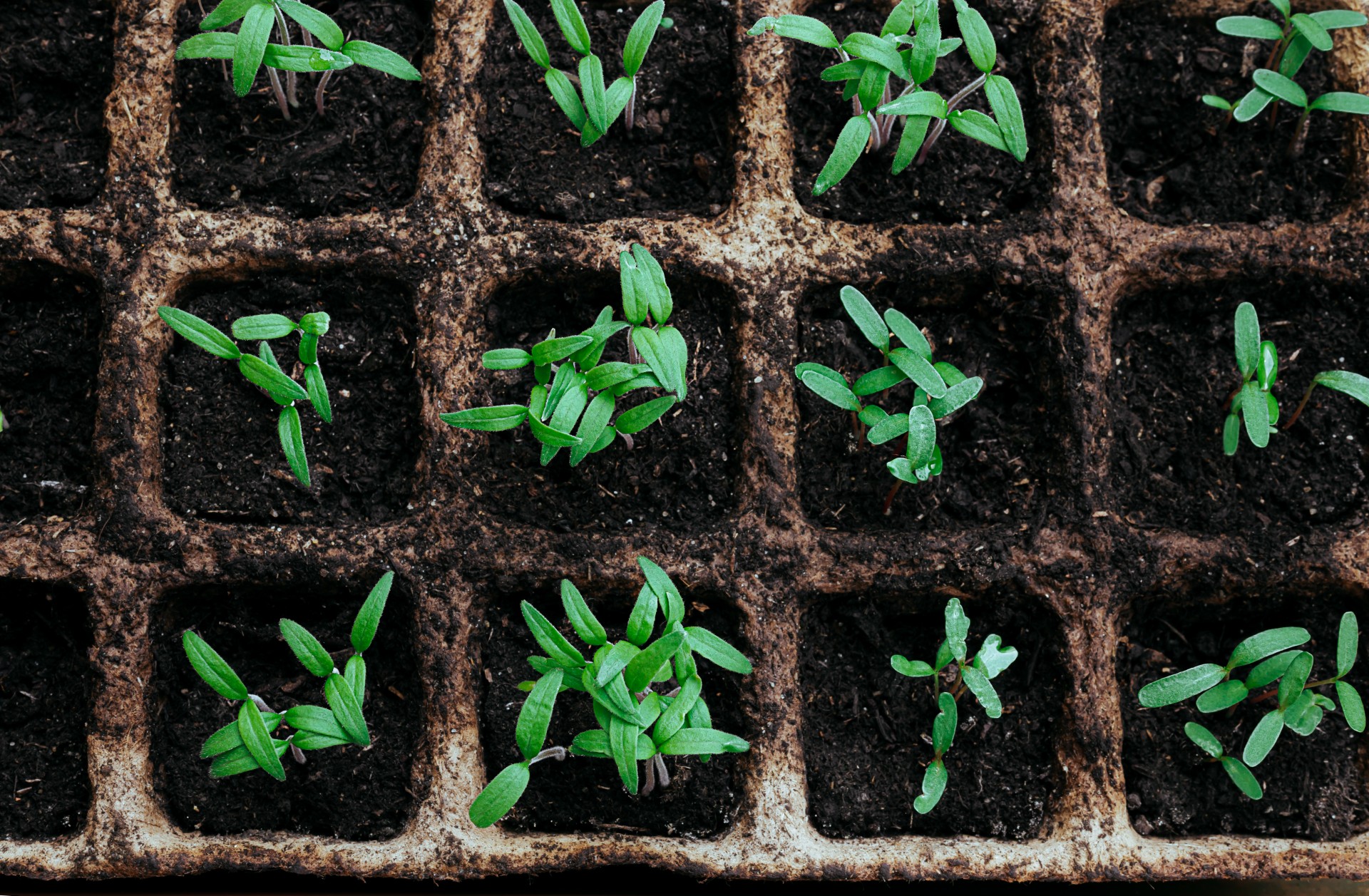
Rooted in Place: Planting the Seeds of Environmental Thinking in Physiotherapy Education in the Philippines
This featured case report highlights how environmental physiotherapy is being introduced into physical therapy education in the Philippines. It presents a local example of how students and educators can connect rehabilitation, climate change, community health, sustainability, and the environmental determinants of health within physical therapy training… Read more
One/Planetary Health in the Philippines
World Health Organization. (2022, September 20). One Health approach in the Philippines: A multi-sectoral collaboration to improving the health of people and the planet.
The One Health approach recognizes the close connection between human health, animal health, and environmental health. In the Philippine context, this perspective is especially relevant because environmental change, infectious disease risks, food security, biodiversity, and community health are closely interconnected.
This featured resource shows how environmental physiotherapy aligns with wider efforts to develop health systems that are preventive, collaborative, and responsive to ecological and social conditions. It also provides an important framework for understanding how physiotherapists can work alongside public health, environmental, veterinary, community, and government sectors in promoting health and resilience.
Relevant literature
Dayapera, L. Z. A., Sy, J. C. Y., Valenzuela, S., Eala, S. J. L., Del Rosario, C. M. I. P., Buensuceso, K. N. C., Dy, A. S., Morales, D. A., Gibson, A. G., & Apostol, G. L. C. (2024). One Health in the Philippines: A review and situational analysis. One Health, 18, Article 100758. https://doi.org/10.1016/j.onehlt.2024.100758
Header image by Mario von Rotz on Unsplash