
We are all aware of the negative health effects associated with sugar consumption, but have you thought about the planetary health implications of its production?
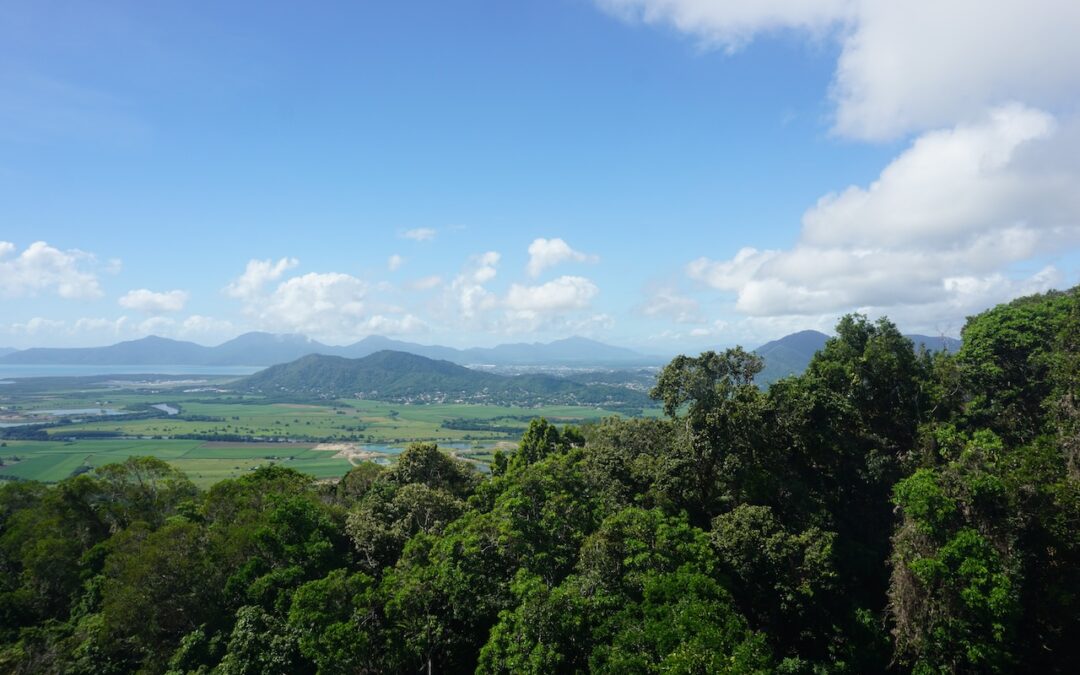
Holidaying in Far North Queensland a few years ago brought home to me the scale of the destruction of the natural ecosystems for tourism and agriculture, including the production of cane sugar. Far North Queensland is home to the Daintree Rainforest and the Great Barrier Reef; both World Heritage areas. These are beautiful areas which we are losing over time; losses driven by land clearing and the effects of climate change.
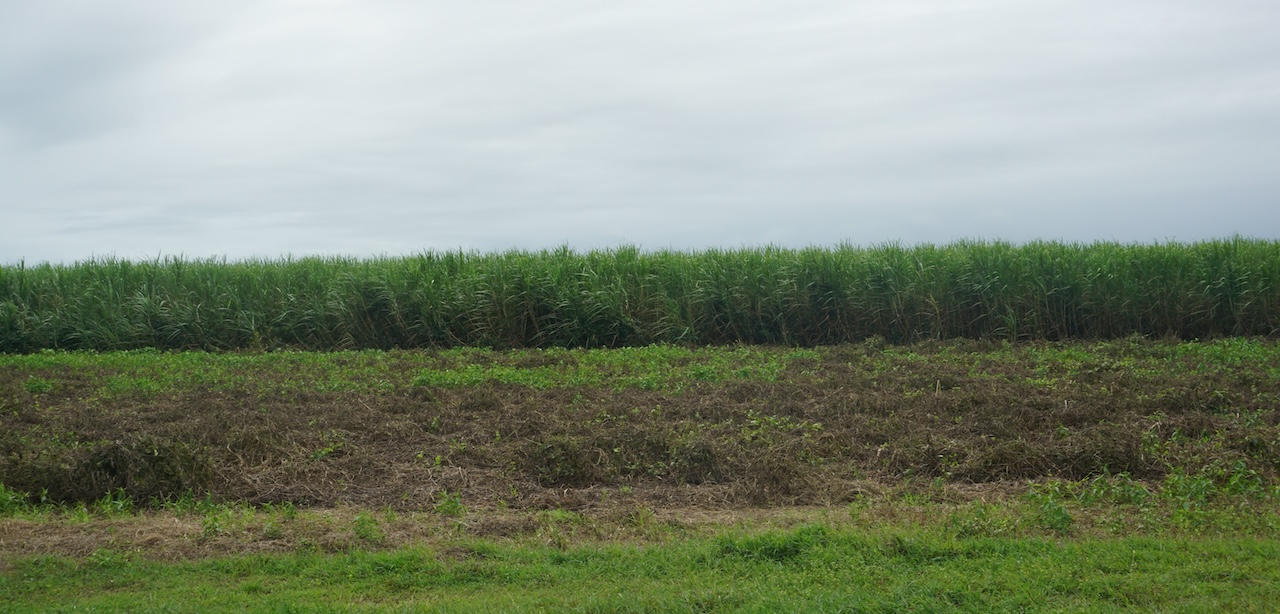
Decisions regarding land use, particularly land clearing, are complex and need to consider multiple perspectives. It may be argued that much of the tourism in the area highlights to visitors the value of these precious ecosystems, hopefully leading to protection of these areas. Similarly, human populations require food and while Australia’s landmass is large, much of this land is not appropriate for large scale agriculture; hence areas in Far North Queensland may be appropriately used to produce fruit and vegetables. However, it was the vast sugarcane crops that struck me as an inappropriate use of land given the issues associated with sugar consumption and the destruction of precious ecosystems. The more I thought about it, the more I could think about examples of how sugar production impacts human health at multiple levels, leading to an article published in EcoHealth, they key points of which are summarised below.

Jessica Stanhope (PhD)
Chief Medical Scientist, Rheumatology Unit, The Queen Elizabeth Hospital, SA Health & Lecturer in Physiotherapy,The University of Adelaide
Jess leads the Environmental Allied Health Group at The University of Adelaide and is on the Executive Committee of the Environmental Physiotherapy Association.
Impact on workers
Workers in the sugar industry are exposed to a range of hazards in both the cane cutting and milling stages of production, with cane cutters also exposed to preharvest burning. The hazards include pesticides, venomous animals, infectious agents, noise, rain, solar radiation, high temperatures, air pollution, cane fibres, fire, high physical demands and traumatic accidents. These exposures may lead to adverse respiratory, cardiovascular, renal, dermatological and musculoskeletal outcomes, as well as heat stress, dehydration, oxidative stress, systematic inflammation, allergies, infection, and deafness. Importantly, while some of these exposures are similar to other forms of agriculture, there are specific risks associated with sugarcane production.
Impact for the local community and visitors
The local community is also impacted by sugarcane production. These risks include air pollution from preharvest burning and infectious agents, as well as accidents related to the small trains that transport sugarcane during the harvest season. Furthermore, there are the health effects associated with the loss of ecosystem services due to the destruction of the local ecosystems (see https://environmentalphysio.com/2023/06/05/what-are-ecosystem-services-and-what-do-they-mean-for-physiotherapy/).
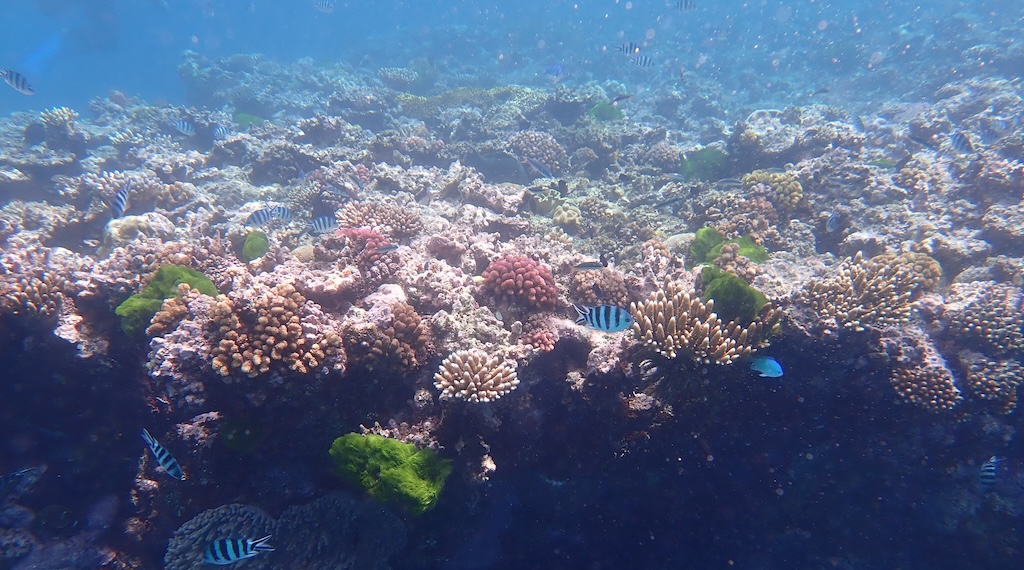
One of the additional issues associated with sugarcane crops in Far North Queensland is its proximity to the Great Barrier Reef. The nutrient and pesticide run off from the crops onto the reef has led to outbreaks of crown-of-thorn starfish, and reductions in the reproductive fitness and health of fish. These disruptions of the marine ecosystems may also lead to a further loss of ecosystem services, including food security. For example, decreased biodiversity increases the risk of ciguatera fish poisoning in humans. The health of the local community, as ell as those visiting the region may therefore be negative affected in a range of ways due to sugarcane production.
Broader impact on planetary health
There are several potential implications of sugarcane production for planetary health. Preharvest burning of sugarcane crops increases greenhouse gas emissions, as well as air pollution, potentially driving human health outcomes associated with exposure to air pollution, as well as climate change. Importantly, while bioethanol produced from sugarcane is often thought of as a more environmentally friendly fuel option, it is not without its harm. In fact, it has been suggested that bioethanol production from sugarcane may increase greenhouse gas emissions.
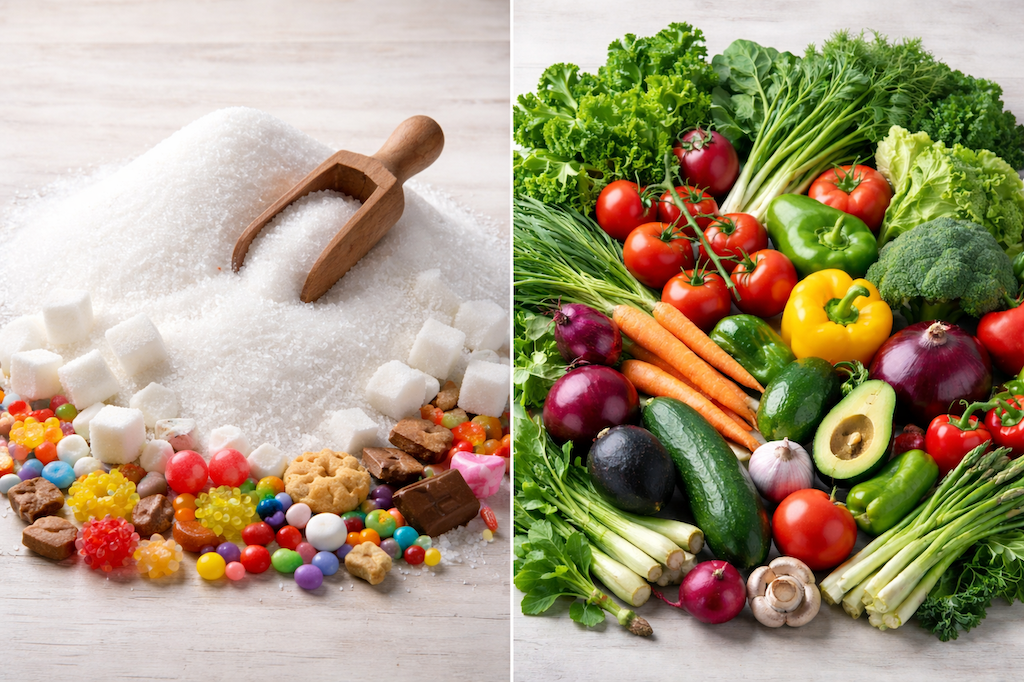
Furthermore, global food security is threatened by using agricultural land for sugarcane crops. We do need land used for agricultural purposes; however, this land use should focus on nutritious crops; not sugarcane. In areas where irrigation is required, particularly where water is scarce, there is also the potential for water to be diverted from more nutrient-rich crops or natural ecosystems to sugarcane crops, leading to further loss of ecosystem services. The loss of these ecosystem services needs to be considered on temporal and spatial scales. It is not just those near sugarcane crops who may feel these impacts, but also species downstream of waterways where water has been diverted for irrigation through to species in other continents where the loss of a migratory species due to sugarcane crops may have implications for all ecosystems along their migration route.
Take home messages
When next buying your sugary drink or food item, don’t just think about what it is doing to your own health, but the implications for people directly involved in its production and located near crops, and the broader planetary health impacts. These negative planetary health impacts are not appropriate for a crop we do not need; and importantly one that does harm to the consumer as well. As health professionals, this argument may also assist in talking to patients and clients about their own diets, as well as advocacy for public health strategies to reduce sugar consumption and therefore production.
For more information
The full paper is available here: Stanhope, J., & Weinstein, P. (2025). Sugar Production Leads to Occupational, Community and Planetary Health Problems. EcoHealth, 22(1), 1–4. https://doi.org/10.1007/s10393-025-01699-w
AI declaration
ChatGPT was used to create the final image. AI was not used for the drafting or editing of the text.
Photo credits
Other than the final image, all photos were taken by Jessica Stanhope.