
by David Duindam | Mar 3, 2023 | Environmental Physiotherapy, SDGs
Although the healthcare sector is a critical service provider in every country, it possesses a significant environmental footprint (Malik, Lenzen, McAlister, & McGain, 2018). Without intervention, emissions from the healthcare sector are predicted to rise due to a...

by Betina Ringby | Feb 15, 2023 | Environmental Physiotherapy, Greenspace Exposure, Nature-based interventions, Urban Design and Sustainable Communities
What is the relation between growing plants, reused plastic pipes and physiotherapy? I have often been asked this, since I have engaged in urban gardening in Rwanda and Denmark. My personal path to connect the dots contains two meetings and an opportunity, which I...

by Kyan Rytzell | Feb 1, 2023 | Environmental Physiotherapy, Students in EPT, Urban Design and Sustainable Communities
Last sprint in this Bachelor of Physiotherapy. Our bachelor thesis needs to be innovative! Looking for a partnership with a technology company to use micro sensors to assess the gait quality of patients. A professor comes with another great idea: prove that a...

by Kenneth Chance-Larsen | Jan 12, 2023 | Environmental Physiotherapy, Physiotherapy Education, Policy development
We have all come across learning outcomes (LOs) that form the backbone of accredited physiotherapy programmes and standards of practice. Physiotherapy academics spend hours developing LOs, a task where you try to find the balance between Oracle-of-Delphi-ambiguity and...
by Noriko Yamaguchi | Jan 6, 2023 | Environmental Justice, Environmental Physiotherapy, Physiotherapy Education, Planetary Health
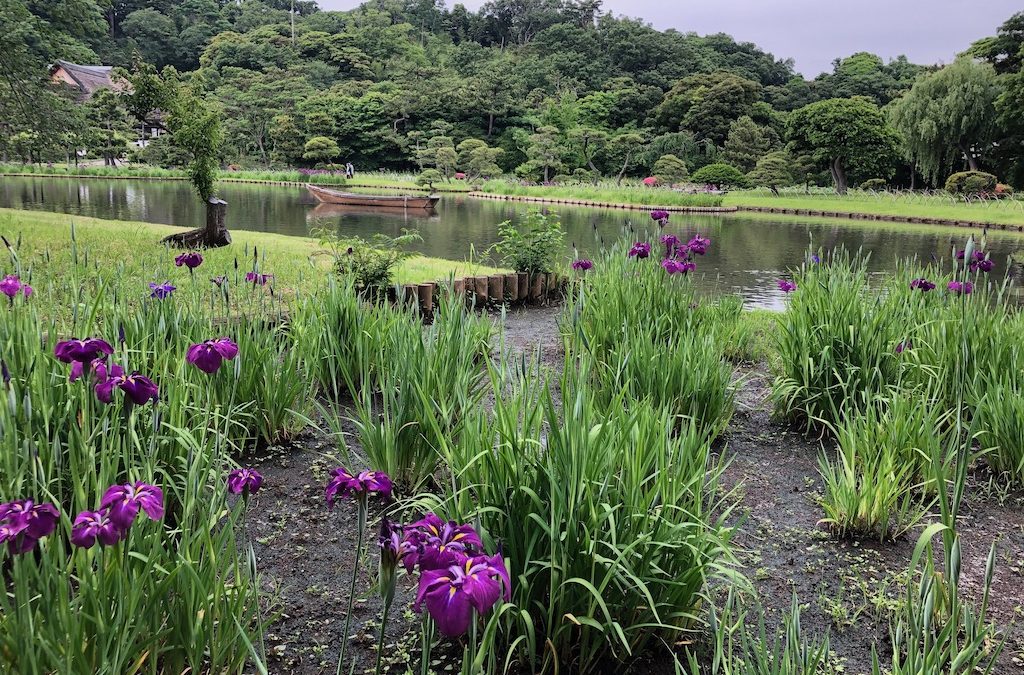
I recently chatted with a colleague about books that have changed our lives (1). It was literally a 2-minute conversation, but the idea of the impact of books still lingers in my mind. Counterintuitively, the readings that have had the most positive impact on my...
by Filip Maric | Dec 13, 2022 | EcoHealth, Environmental Physiotherapy, Human-Animal Relations, Indigenous perspectives
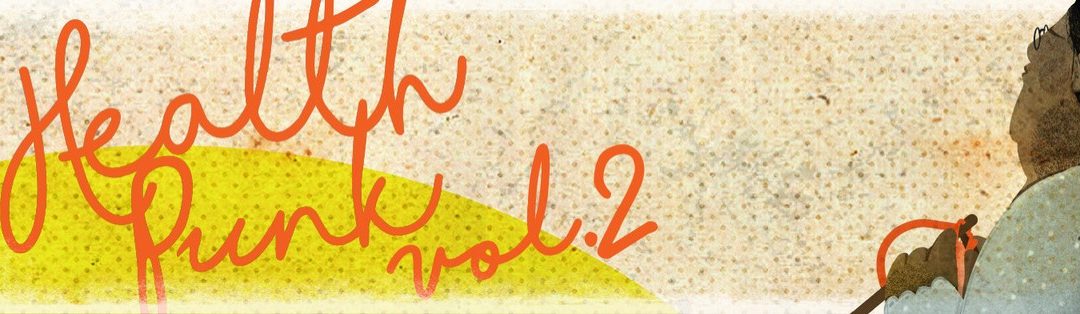
‘Tis the season to imagine new ways forward for more ecologically and socially responsible healthcare futures! One year after the publication of Physiopunk Vol 1, we are happy to share Healthpunk Vol 2: Fiction + Healthcare + You: A collection boasting 10...
